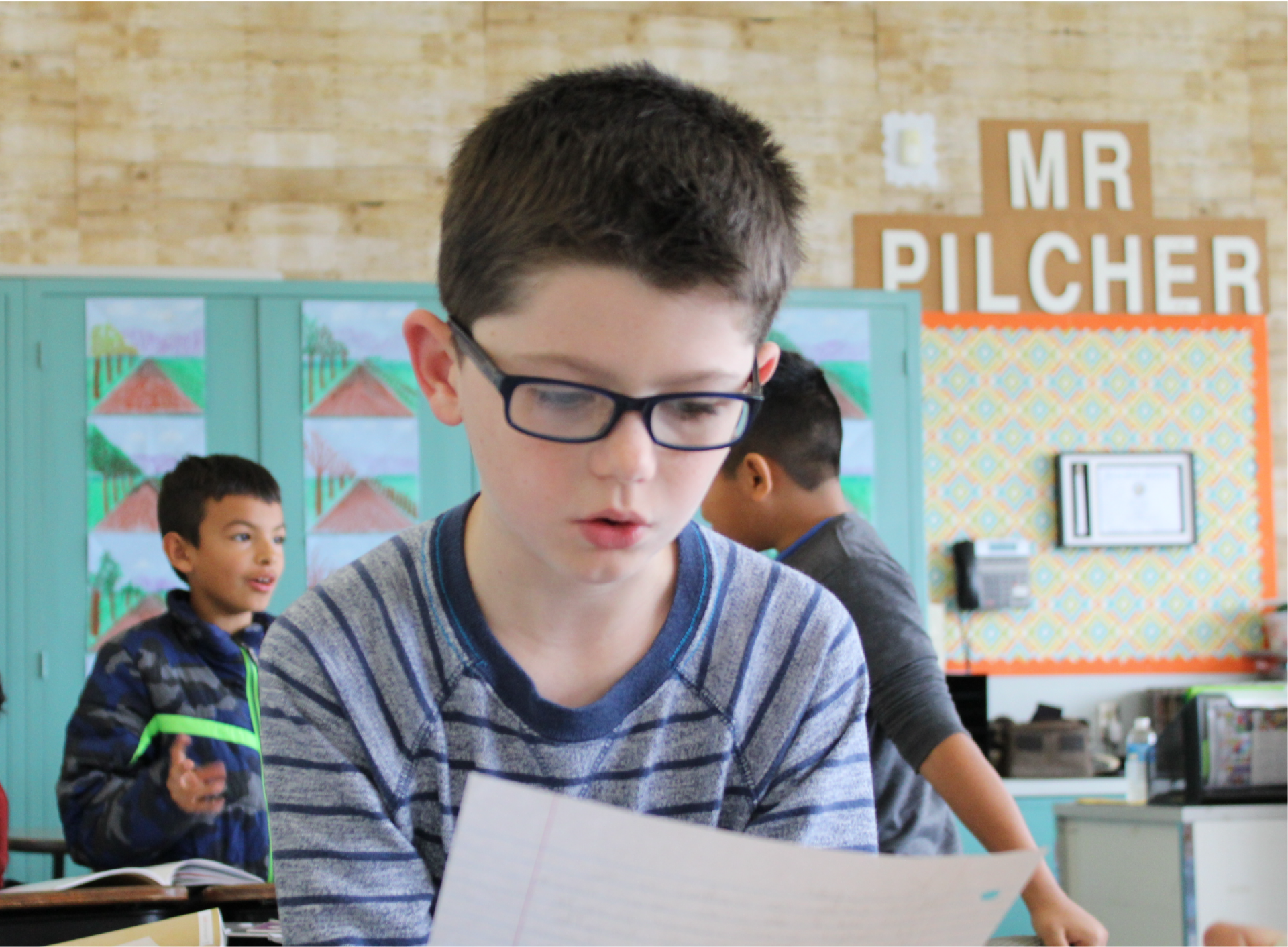
Small district, big change: Patrick County’s journey with the Science of Reading

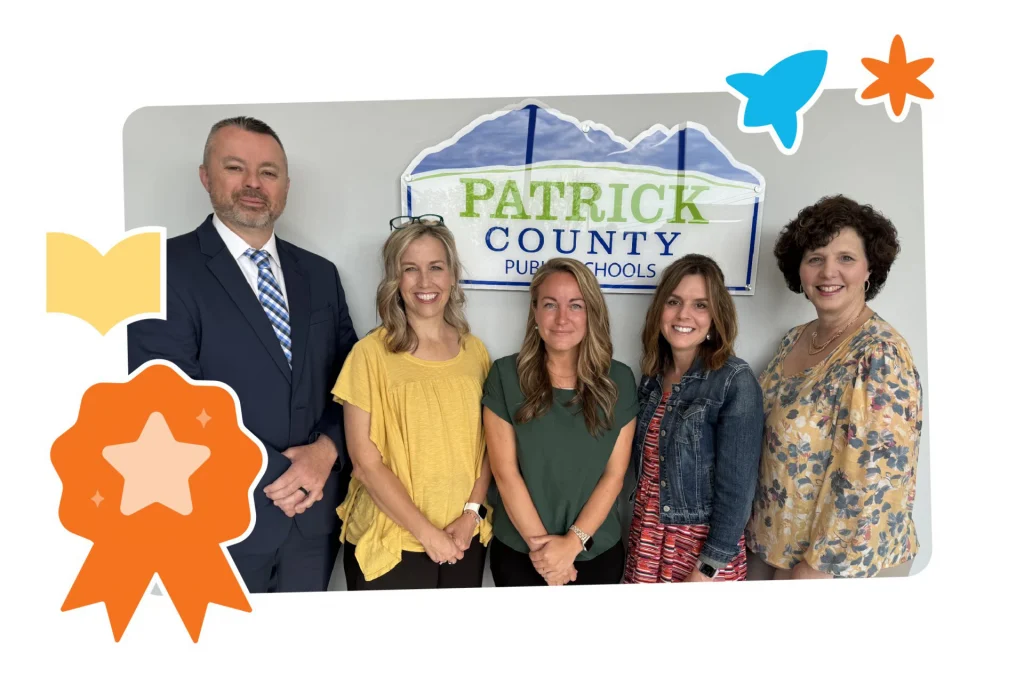
In rural southwest Virginia, Patrick County Public Schools—a small district with big ambitions—has redefined early literacy through a transformative approach to reading instruction.

Teachers and leaders are shifting long-held instructional practices and embracing a Science of Reading-based framework. With the dedication of instructional coaches like Sara Vernon and Callie Wheeler, this district is building classrooms full of proficient readers and shaping a new culture of reading.

This commitment to reimagining literacy instruction has earned Patrick County Public Schools the Science of Reading Star Awards District Captain award—a testament to the district’s vision for improved student reading outcomes.

Before: Reading instruction challenges

Before this shift, reading instruction in Patrick County matched familiar approaches across the country, grounded in programs like Jan Richardson, Lucy Calkins, and Fountas and Pinnell. Educators like Wheeler and Vernon initially relied on balanced literacy and whole language techniques, believing that increased exposure to texts alone could help children learn to read.

However, especially during the pandemic, they began to see students struggle—including, in Wheeler’s case, her own child—and begain to wonder if there might be a better way.

Vernon and Wheeler found their approaches lacking—until they found each other. When their paths crossed in Patrick County, they realized a shared need to re-evaluate their instructional approaches. Conversations with colleagues and research into the Science of Reading framework opened their eyes to new possibilities, sparking a commitment to overhaul literacy instruction in the district.

Building a coalition for change

Vernon and Wheeler were not alone in their vision. District leaders and teachers became eager collaborators. Together, they built a coalition for change, advocating for professional development and resources to support a district-wide implementation of evidence-based practices grounded in the Science of Reading.

Recognizing the need for expert training, they secured ESSER funds to attend the Plain Talk about Literacy and Learning Conference, which deepened their understanding of structured, evidence-based reading practices. This journey transformed not only Vernon and Wheeler’s methods but also those of their colleagues, building a strong foundation for the new approach.

Embracing Science of Reading-based best practices

With district support, Vernon and Wheeler led the selection and adoption of Amplify’s CKLA curriculum, which aligns with the Science of Reading. To extend teachers’ understanding, they offered podcast studies, professional development sessions on the research behind reading instruction, and LETRS (Language Essentials for Teachers of Reading and Spelling) training.

Teachers throughout the district quickly saw the benefits, with kindergarten students making tangible reading progress. The new curriculum emphasizes background knowledge, foundational skills, and a diagnostic approach that ensures each student’s needs are met.

Teachers previously grounded in balanced literacy practices began to embrace the change. Many began to see that teaching phonics and sound-first strategies brought faster and more meaningful progress in reading.

As Wheeler explained, they wanted teachers to fully understand the research behind CKLA and the Science of Reading—empowering them to support students more effectively.

Sustaining a culture of literacy and growth

Today, Patrick County is witnessing an inspiring literacy transformation. Continuous feedback sessions, classroom observations, and data-driven discussions are all part of an evolving system where educators feel encouraged to explore new ideas and take calculated risks.

The district’s openness to change and the collaborative spirit among teachers have been instrumental in creating a culture where educators feel empowered to enhance student learning outcomes.

Reflecting on their achievements, Vernon and Wheeler emphasize the profound impact of this district-wide change. As their assistant superintendent put it: “The worst thing we could ever do is to know that what we were doing wasn’t working and not change.”

Patrick County’s journey is a testament to what’s possible in even the smallest districts when leaders and teachers commit to bold, research-based reforms that truly put students first.

What’s included in our Spanish language arts curriculum

Amplify Core Knowledge Language Arts® (CKLA) is available in both English and Spanish. Amplify Caminos al Conocimiento Esencial, our robust Spanish language arts companion for grades K–5, supports multiple teaching models, including dual language immersion and transitional classrooms.

A laptop screen displays a kindergarten instructional webpage in Spanish, showing lesson categories with illustrated thumbnails and navigation options.

Year at a glance

The program’s intentional Knowledge Sequence from K–5 connects knowledge and vocabulary within a grade level and across grade levels, for deeper reading comprehension and preparation for college, career, and life. Instead of “activating prior knowledge,” Amplify Caminos helps you build it in the classroom from day one, for every child, expanding each student’s knowledge base long before they transition to reading to learn.

Curriculum flowchart showing reading themes and activities from Kindergarten to Grade 5, organized by grade level and literary theme, with interconnected boxes for each topic.

Units & domains at a glance

Each Knowledge Domain in grades K–2 and Unit in grades 3–5 varies in the number of days based on instructional purpose. Just as with our top-rated Amplify CKLA program, the Amplify Caminos materials engage and delight young learners with resources that are both appealing and original.

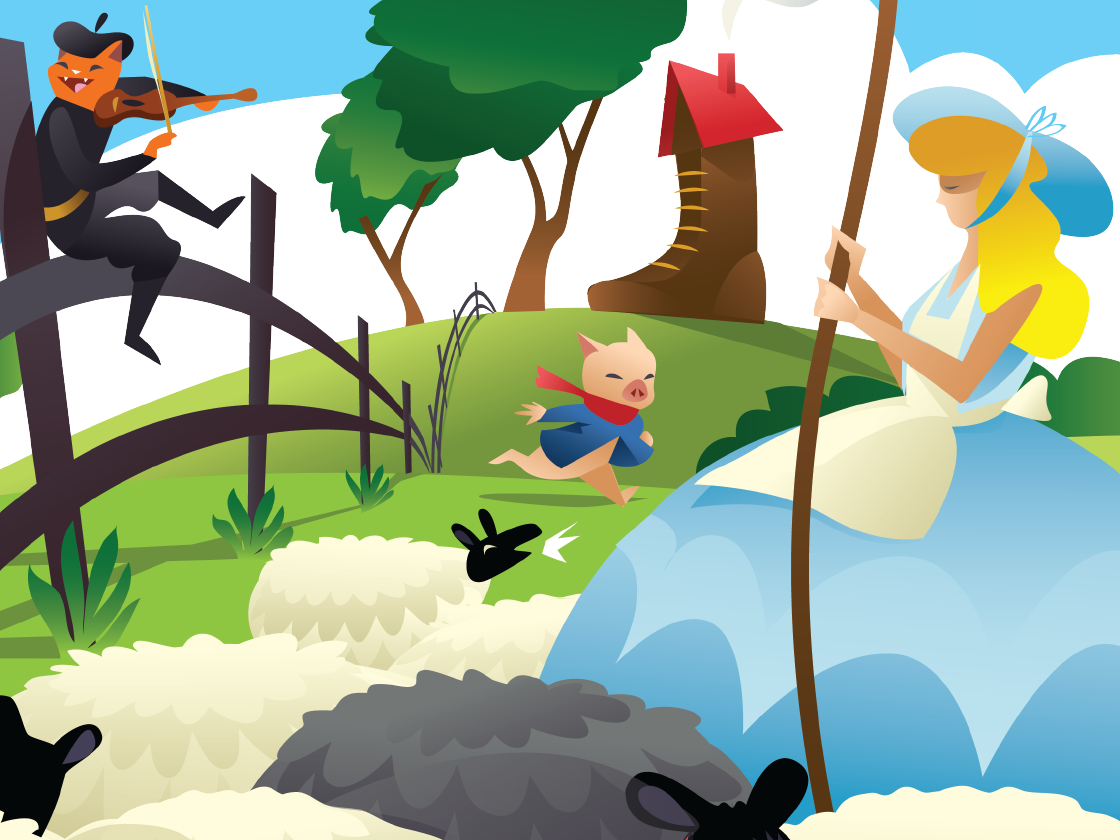
Una mujer rubia con un vestido azul cuida ovejas blancas y negras, sosteniendo un bastón de pastor. Un cerdo vestido de azul corre y un hombre de negro toca el violín en una valla. Al fondo hay una casa.

Domain

Nursery Rhymes and Fables/Rimas y fábulas infantiles

Start learning about literature with these classic Mother Goose rhymes.

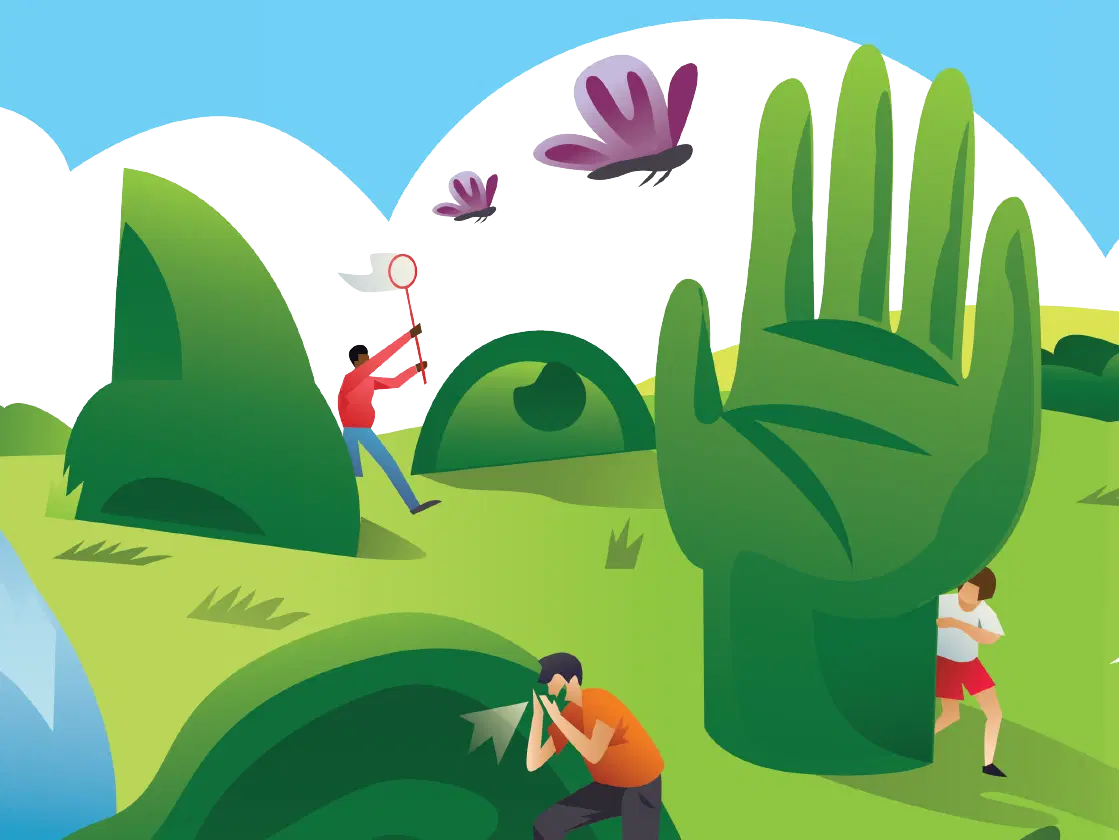
Ilustración de tres personas en un paisaje cubierto de hierba, una tratando de atrapar mariposas con una red, otra escondiéndose detrás de una escultura alta y frondosa de una mano y otra con binoculares.

Domain

The Five Senses/Los cinco sentidos

Learning about the body starts with learning about how we experience the world.

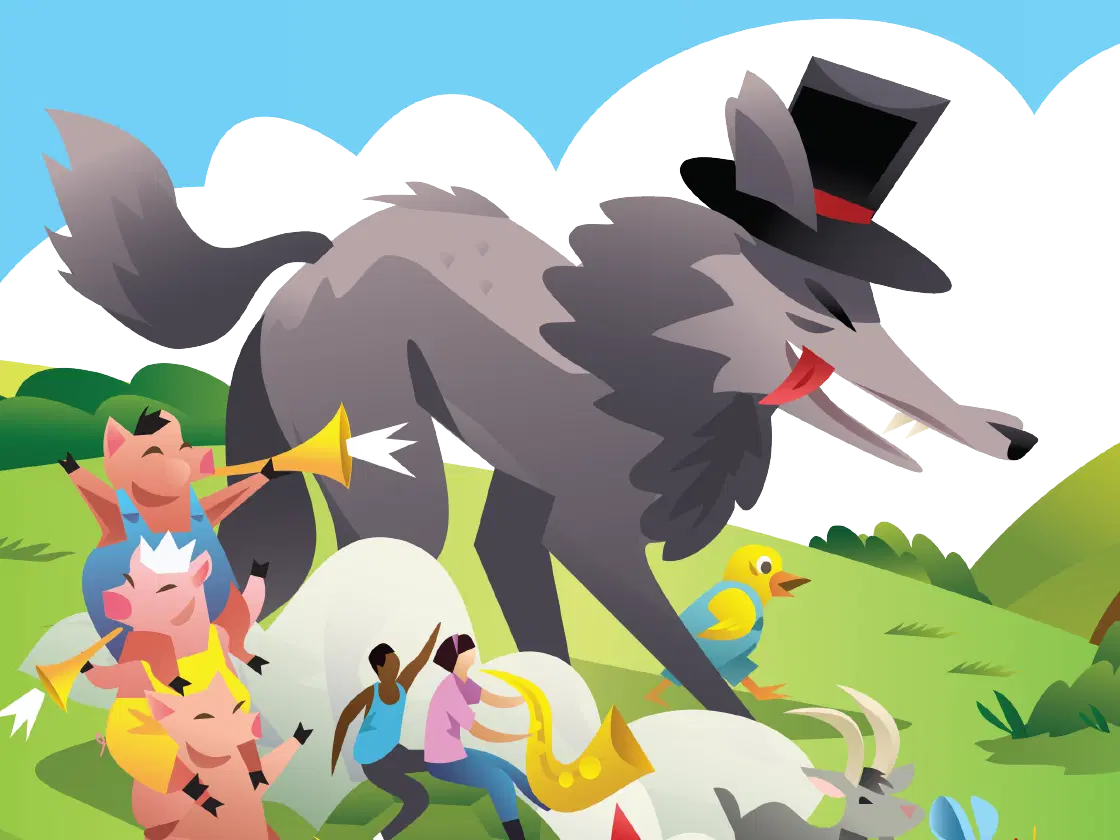
Una ilustración que representa a un gran lobo con sombrero de copa liderando un desfile de animales y personas con instrumentos musicales a través de un paisaje montañoso.

Domain

Stories/Cuentos

Learn about the parts of a book and some of the stories that go in one.

Una ilustración vibrante de una escena rural con colinas, una granja, una mariposa, un sol brillante, varias verduras como tomates y lechugas, y un gusano en el suelo.

Domain

Plants/Plantas

Discover the lifecycle of plants and the history of George Washington Carver.

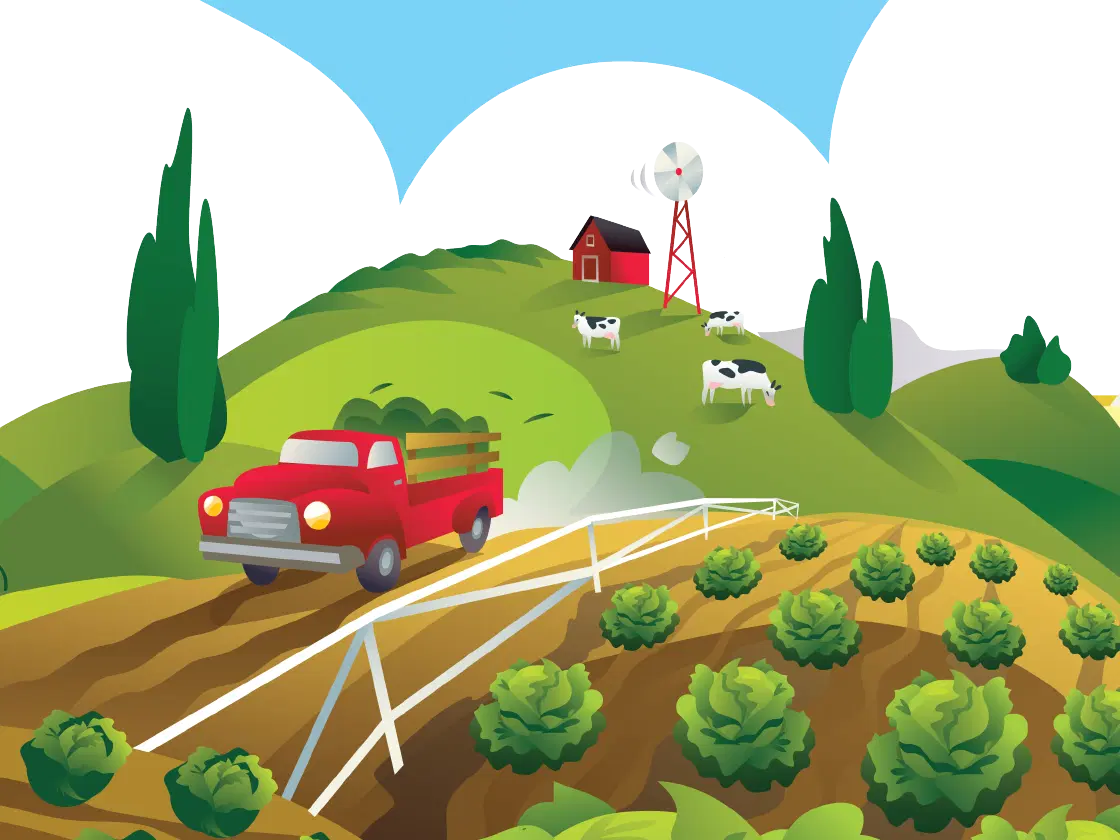
Ilustración de una escena de granja que muestra un camión rojo que transporta verduras, campos de cultivo, vacas pastando en una colina, un granero y un molino de viento contra un cielo azul.

Domain

Farms/Granjas

Now we know how plants make their food… but what about animals?

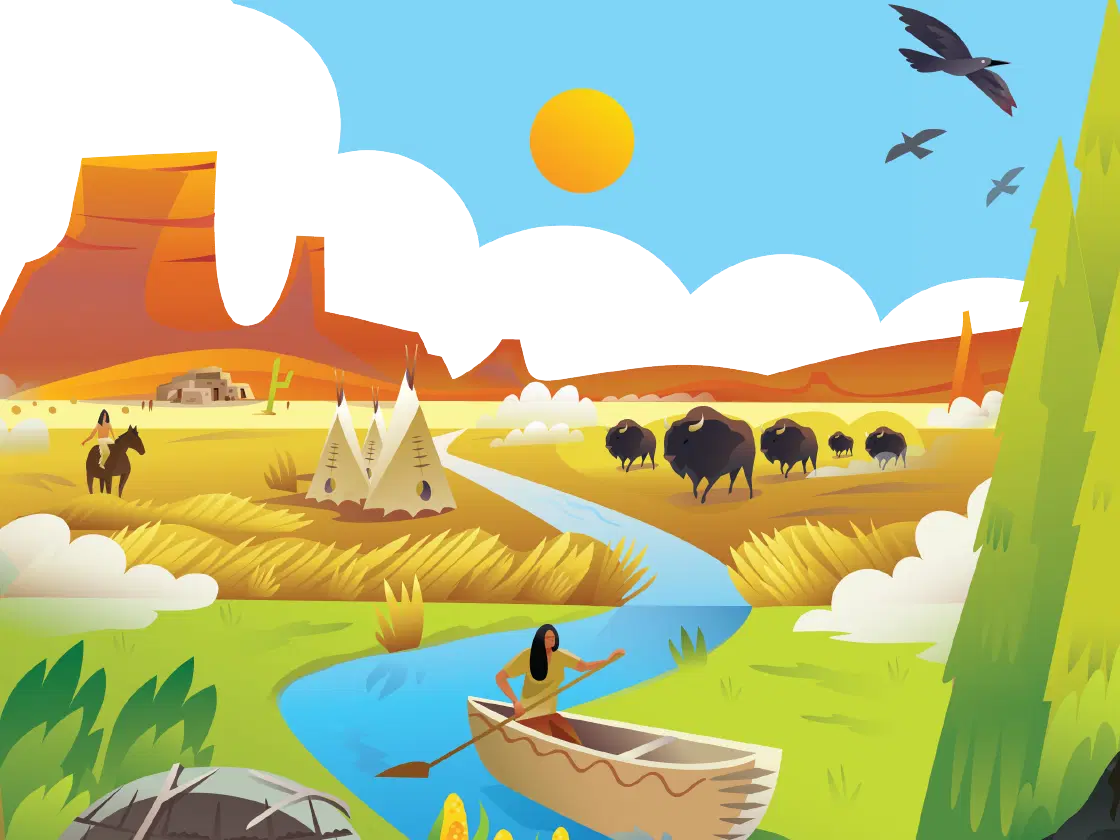
Ilustración de un nativo remando en una canoa en un río con búfalos pastando en un campo, tipis al fondo y pájaros volando en el cielo bajo un sol brillante.

Domain

Native Americans/Los nativos americanos

Who were the first people in America? A look at the Lenape, Wampanoag, and Lakota Sioux.

Una ilustración muestra un rey y una reina en tronos, un castillo en un acantilado y una mujer con enanos cerca de un árbol. Cortinas rojas enmarcan la escena.

Domain

Kings and Queens/Reyes y reinas

To understand fairy tales, it’s best to first understand royalty.

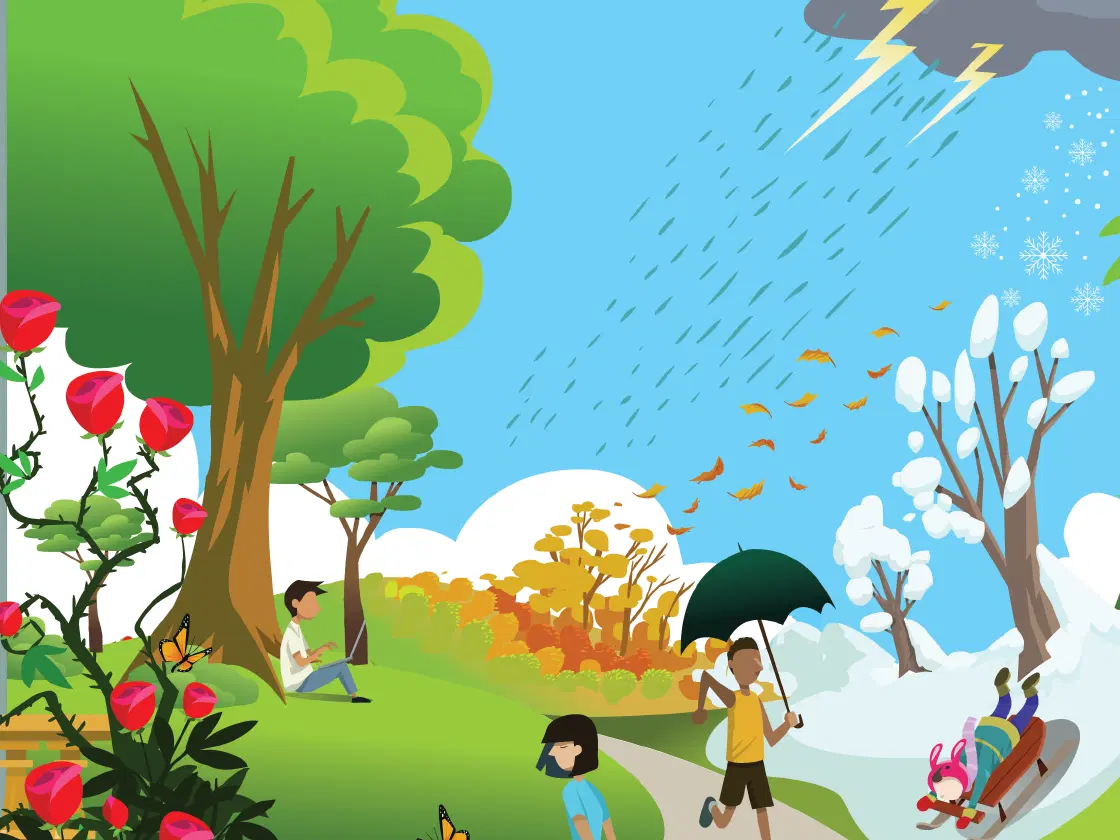
Ilustración que muestra las cuatro estaciones: primavera con flores, verano con árboles verdes, otoño con hojas que caen e invierno con nieve y gente en trineo. Un niño lee debajo de un árbol.

Domain

Seasons and Weather/Las estaciones y el tiempo

The study of natural cycles continues with the weather and why it happens.

Un velero de madera con símbolos de cruz roja en sus velas navega cerca de una isla tropical con exuberante vegetación y palmeras. A lo lejos se ven otros dos barcos en el agua.

Domain

Columbus and the Pilgrims/Colón y los peregrinos

A look at the first contact between Europe and the Americas, and some of its results.

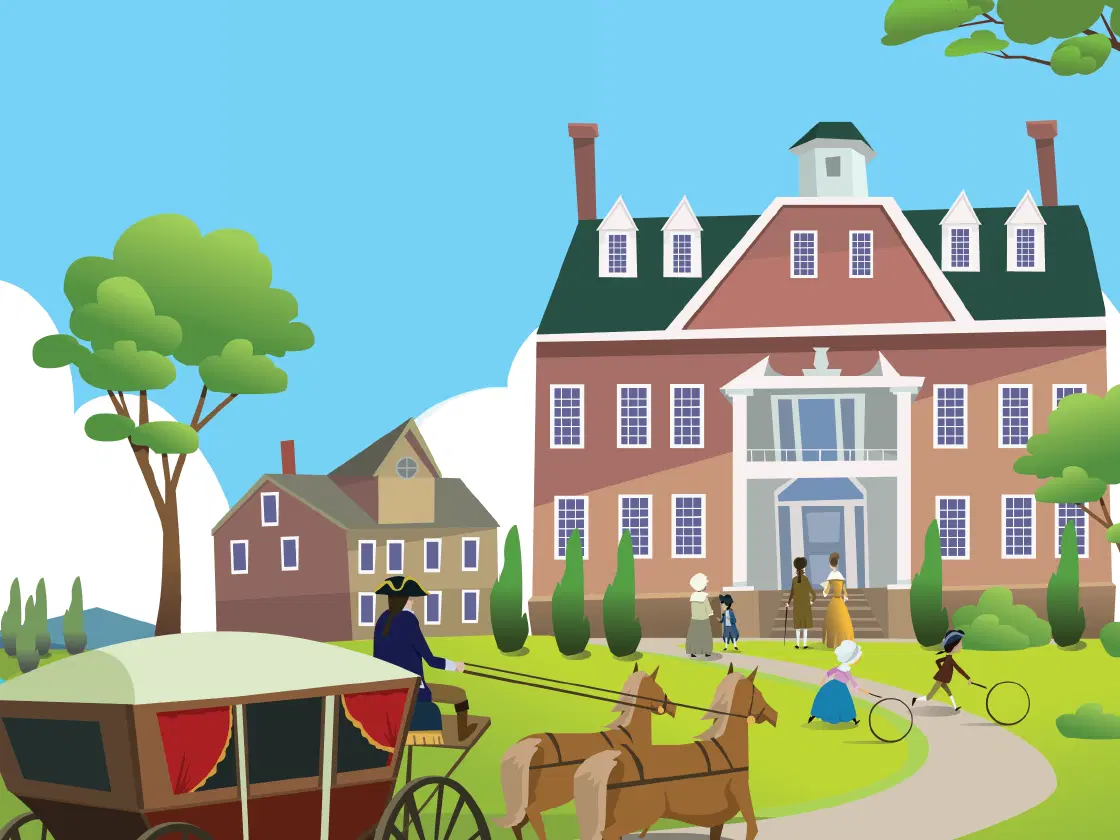
Una escena histórica muestra gente afuera de una gran mansión de estilo colonial con dos chimeneas. En primer plano se ve un carruaje tirado por caballos y a la izquierda se ve una casa más pequeña.

Domain

Colonial Towns and Townspeople/Las colonias y sus habitantes

Before the War for Independence, how did the town and country depend on one another?

Ilustración de personas clasificando materiales reciclables en un parque cerca de un río contaminado. Las fábricas emiten humo al fondo, mientras que las mariposas, las flores y los árboles están presentes en el primer plano.

Domain

Taking Care of the Earth/Cuidar el planeta Tierra

We only have one Earth—here are some ways to help care for it.

Ilustración del Monte Rushmore con los rostros tallados de cuatro presidentes de Estados Unidos. Un águila vuela en primer plano.

Domain

Presidents and American Symbols/Presidentes y símbolos de los Estados Unidos

Start learning about government through the lives of five presidents.

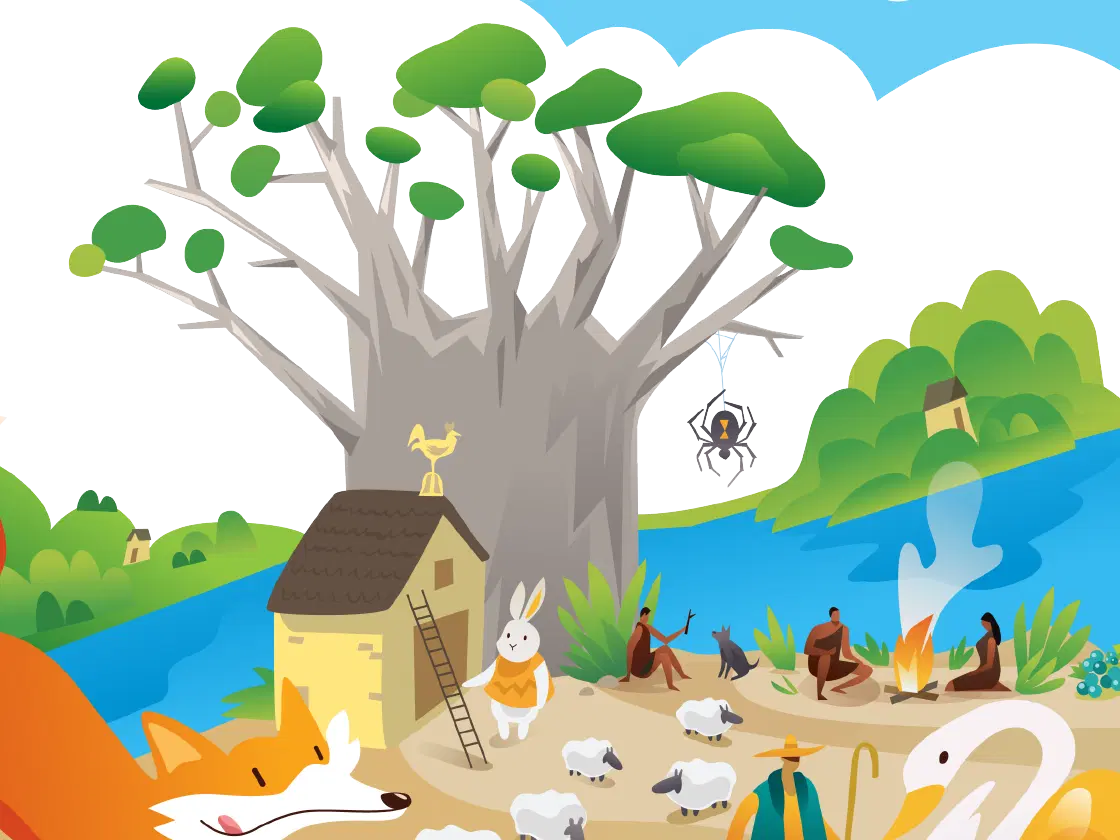
Una ilustración caprichosa que muestra animales de granja alrededor de una casa en un árbol junto a un río. Un zorro, un conejo y una oveja interactúan mientras la gente acampa junto a una fogata al fondo. Una araña cuelga del árbol.

Domain

Fables and Stories/Fábulas y cuentos

Learn some of the key elements of a story through classic fables.

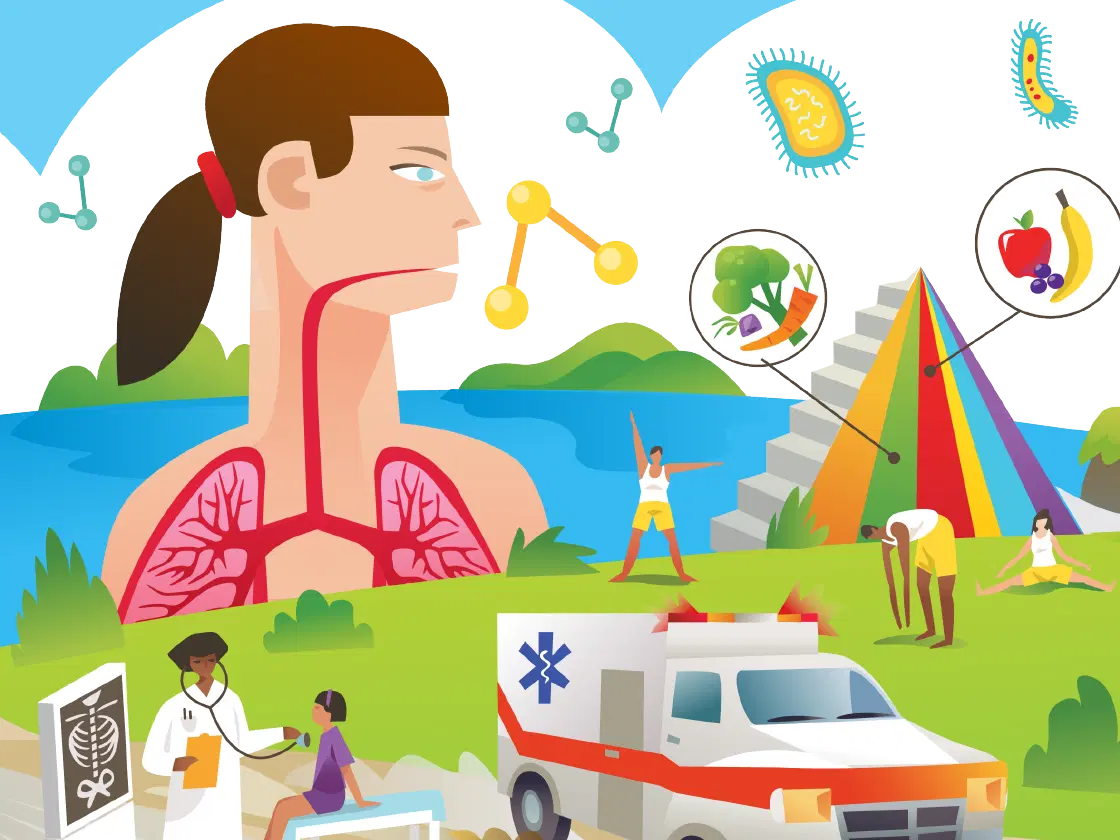
Ilustración que presenta anatomía humana, actividades de estilo de vida saludable, profesionales médicos, símbolos dietéticos, una ambulancia y microorganismos, destacando la conexión entre salud, nutrición y ejercicio.

Domain

The Human Body/El cuerpo humano

What are germs? What are the organs? And what does it all have to do with health?

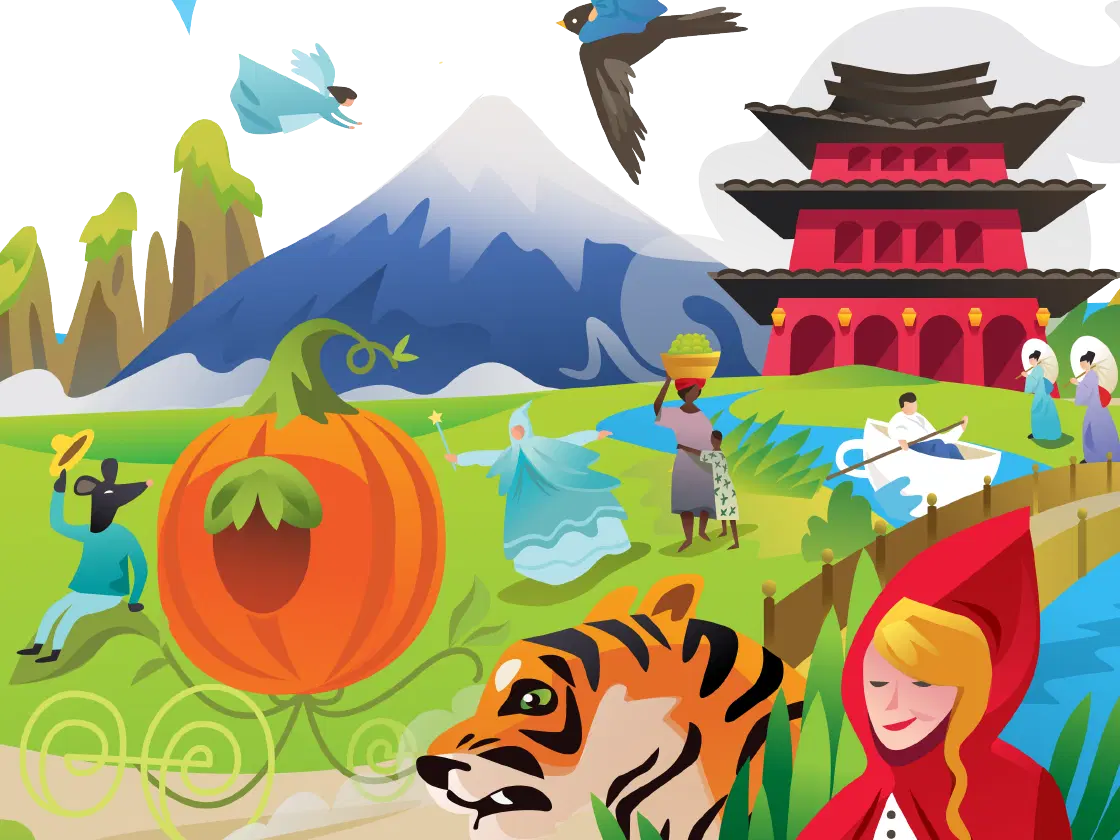
Una ilustración que presenta varias escenas de cuentos de hadas y folclore, incluida una calabaza grande, un tigre, Caperucita Roja, personas con atuendos tradicionales y una pagoda roja con una montaña de fondo.

Domain

Different Lands, Similar Stories/Tierras diferentes, cuentos similares

A world tour of storytelling, and the stories that stay the same across the world.

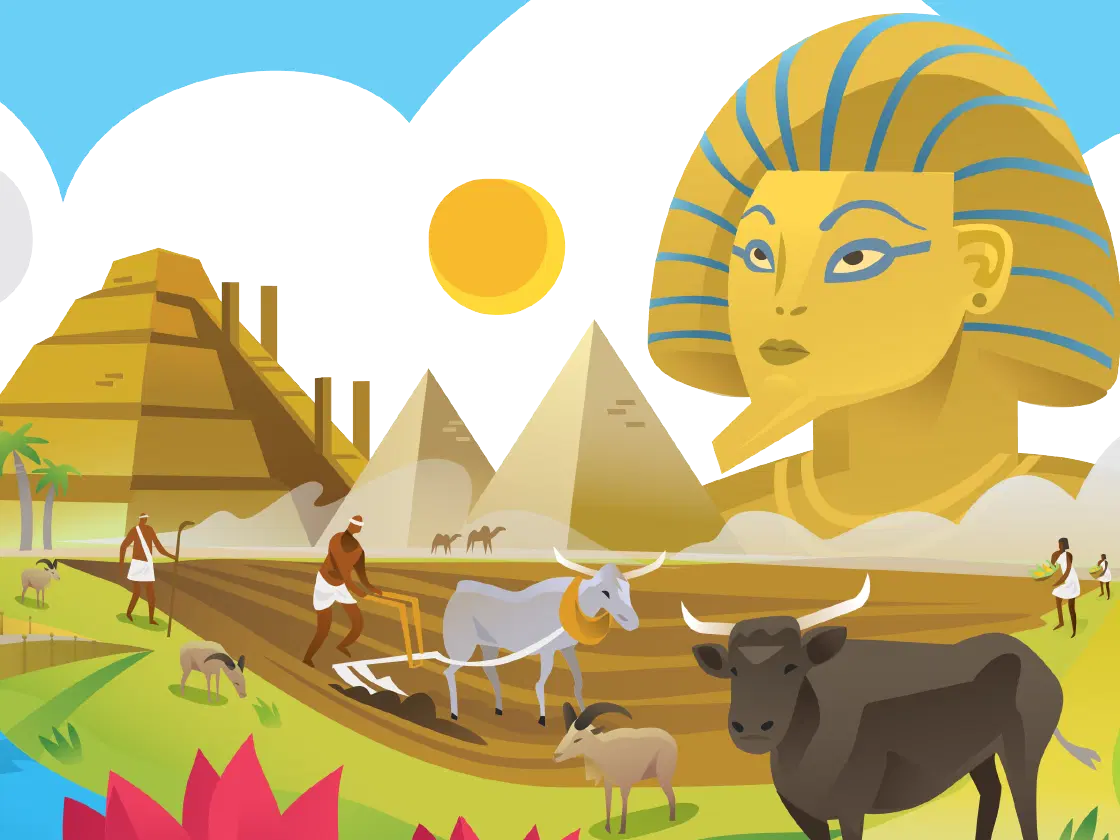
Ilustración que muestra el antiguo Egipto con pirámides, la Esfinge, agricultores arando un campo con bueyes y ganado pastando bajo un cielo soleado.

Domain

Early World Civilizations/Antiguas civilizaciones del mundo

Rivers, farming, writing, and laws: just what does it take to build a civilization?

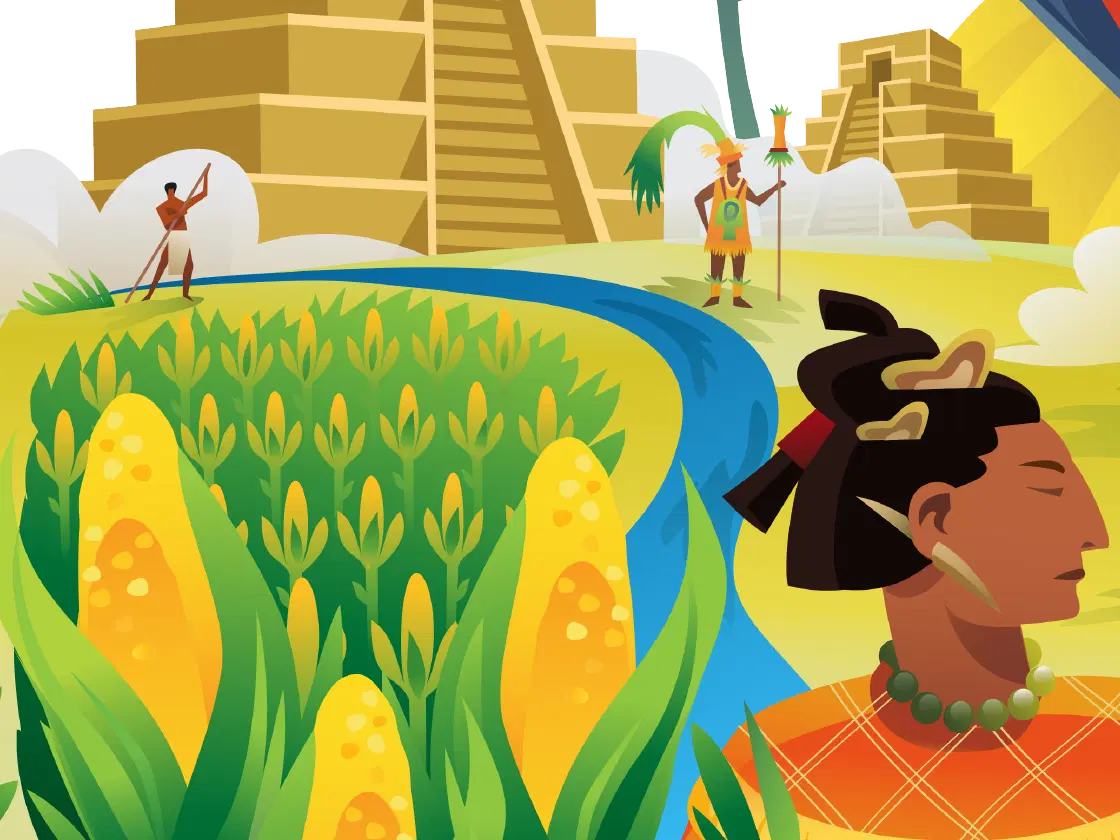
Escena ilustrada de la antigua Mesoamérica con maíz, un río, agricultores y pirámides al fondo. En primer plano se ve a una persona con traje tradicional.

Domain

Early American Civilizations/Antiguas civilizaciones de América

What will we find in the great temples of the Aztec, Maya, and Inca civilizations?

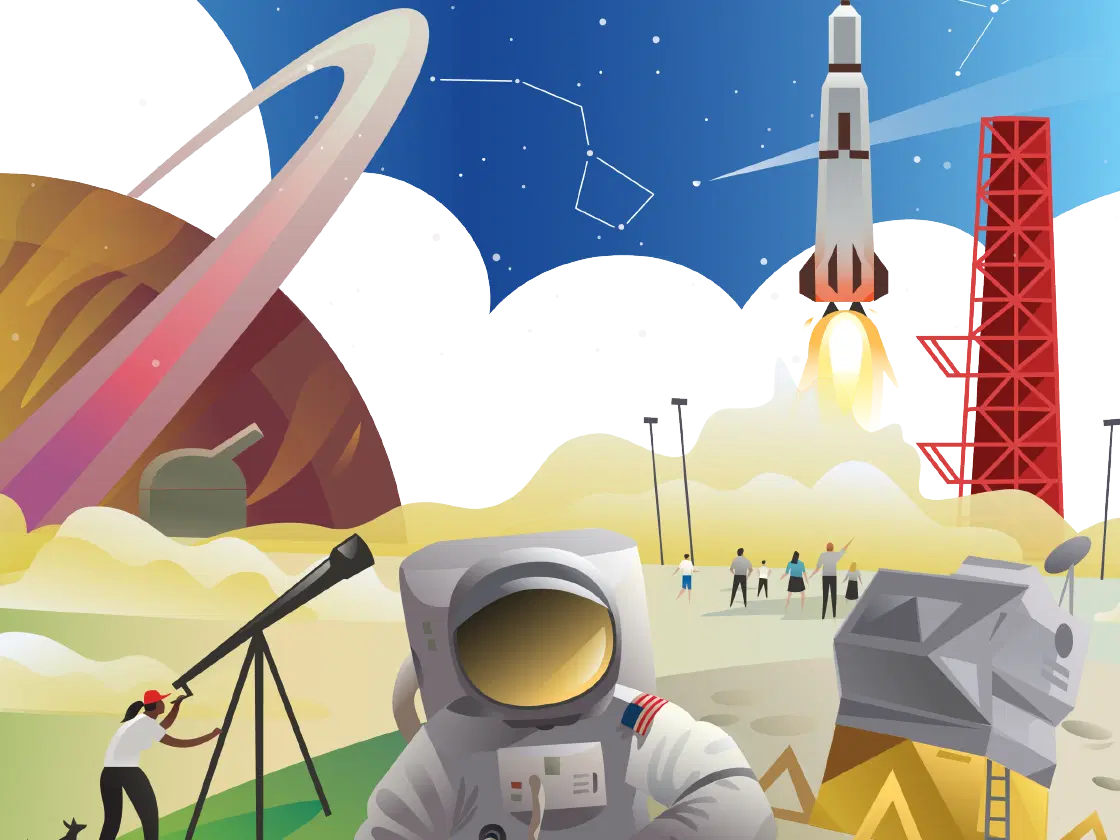
Ilustración de la exploración espacial: se lanza un cohete, un astronauta se para cerca de un módulo de aterrizaje, una persona usa un telescopio y aparece un planeta distante con anillos sobre un fondo estrellado.

Domain

Astronomy/Astronomía

How the Earth relates to the moon, the sun, and the rest of the planets.

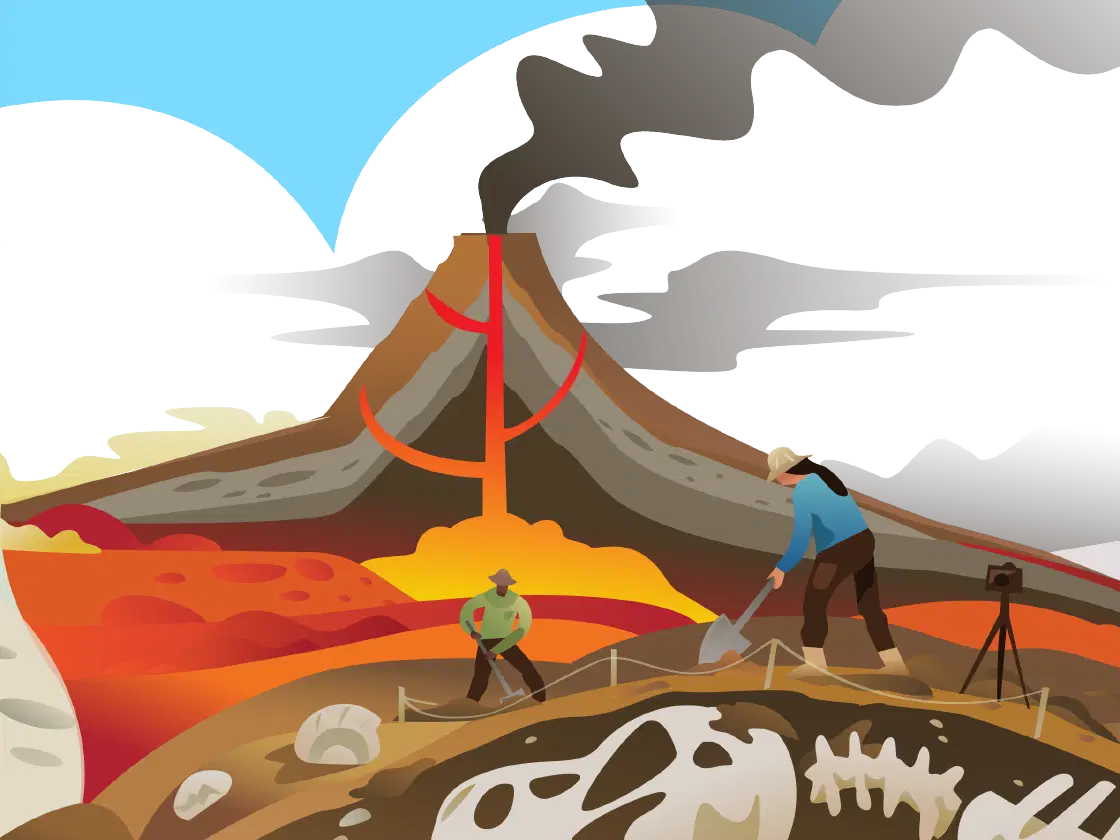
Dos paleontólogos en un paisaje volcánico examinan fósiles en primer plano, mientras un volcán emite humo y lava al fondo.

Domain

The History of the Earth/La historia de la Tierra

Just what lies beneath the Earth’s surface, and what can it teach us about the past?

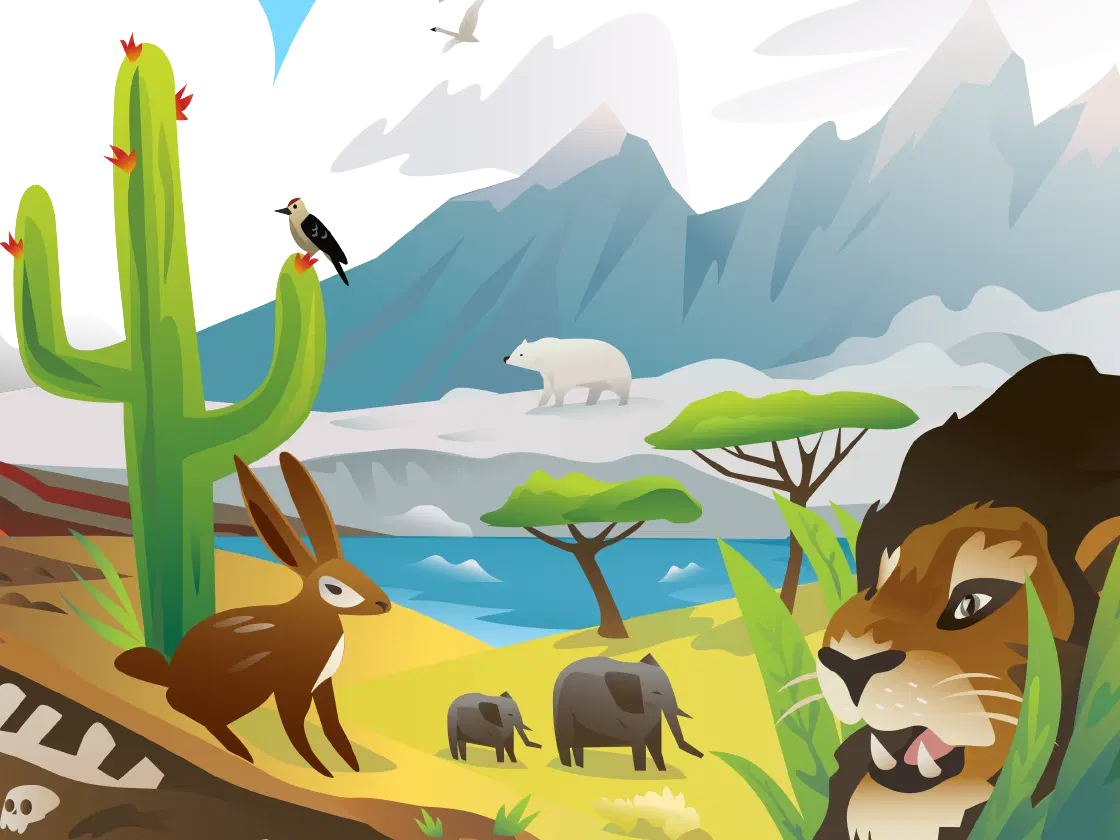
Una escena de vida silvestre diversa que presenta un cactus del desierto con un pájaro, un conejo, elefantes, un león, un oso polar sobre el hielo y montañas distantes bajo un cielo nublado.

Domain

Animals and Habitats/Los animales y sus hábitats

A look at the connection between how animals live and where they make their homes.

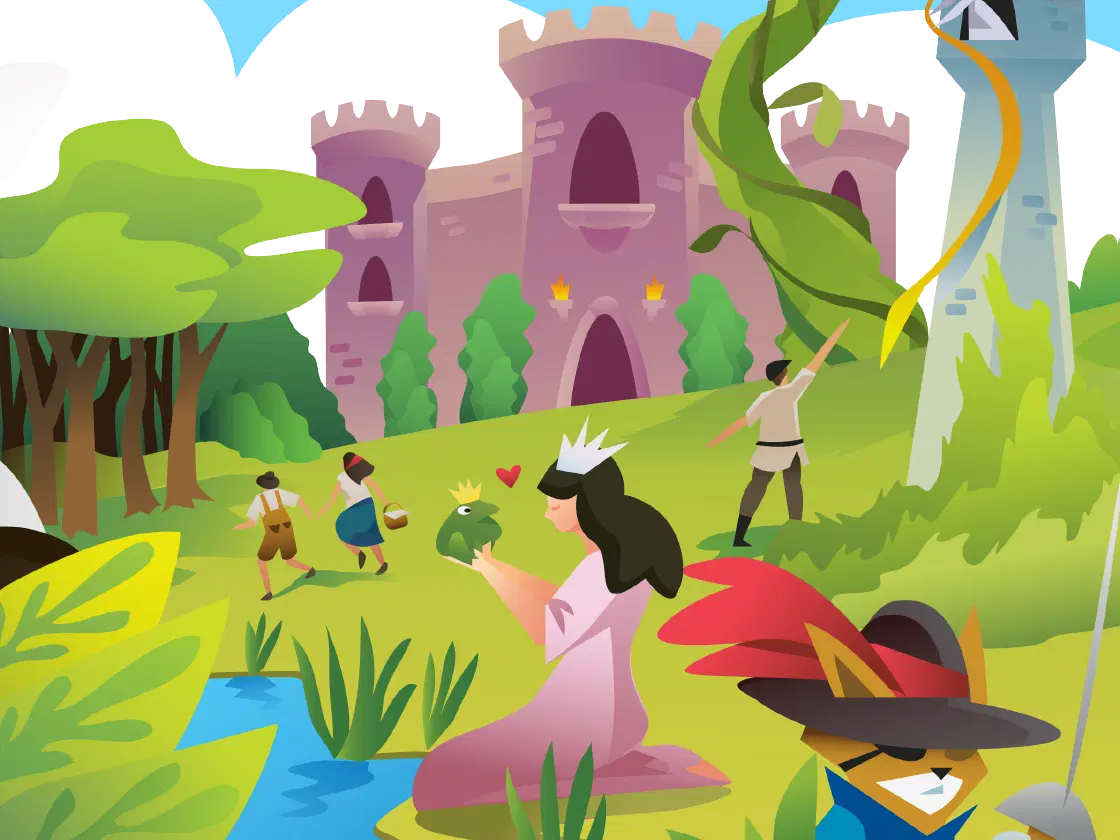
Una princesa con un vestido rosa sostiene una rana junto a un arroyo con un castillo, árboles y gente al fondo. En primer plano camina un zorro con un sombrero con una pluma roja.

Domain

Fairy Tales/Cuentos de hadas

What do fairy tales have to teach us about how stories are told?

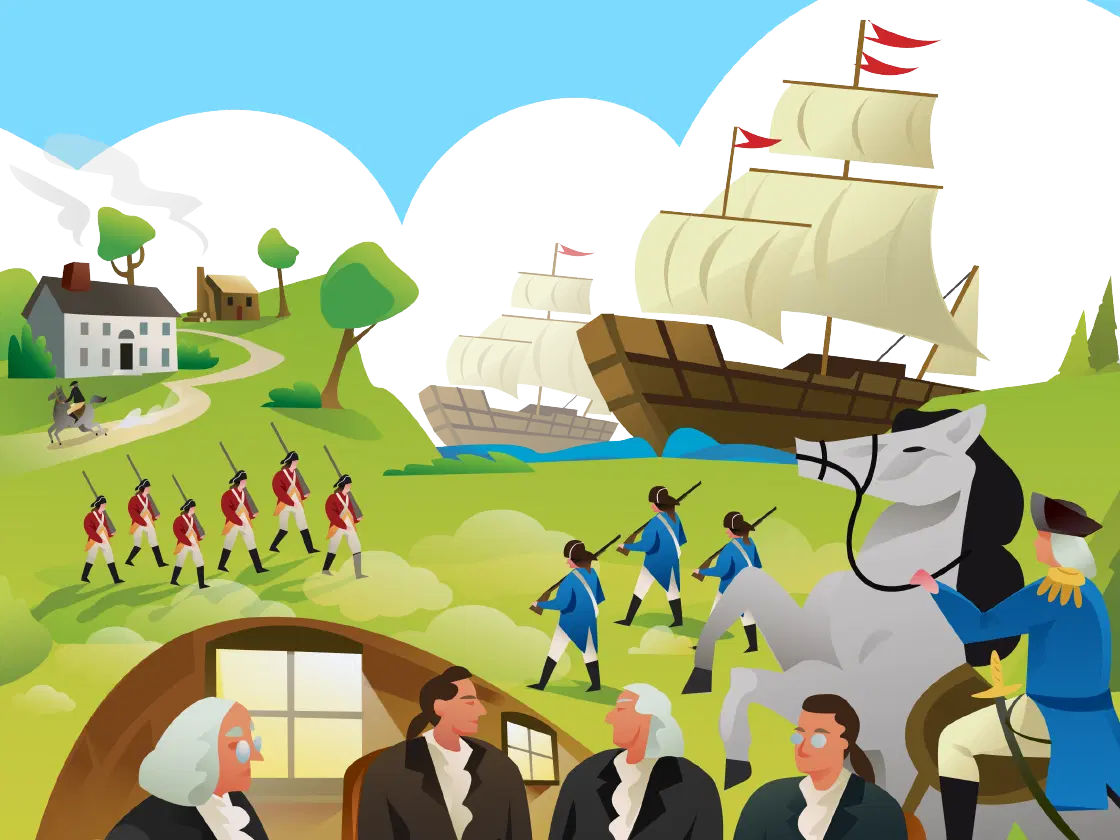
Ilustración que muestra una escena histórica con soldados, veleros y hombres con atuendo colonial discutiendo en el interior.

Domain

A New Nation: American Independence/Una nueva nación: la independencia de los Estados Unidos

The story of the birth of the United States out of the 13 Colonies.

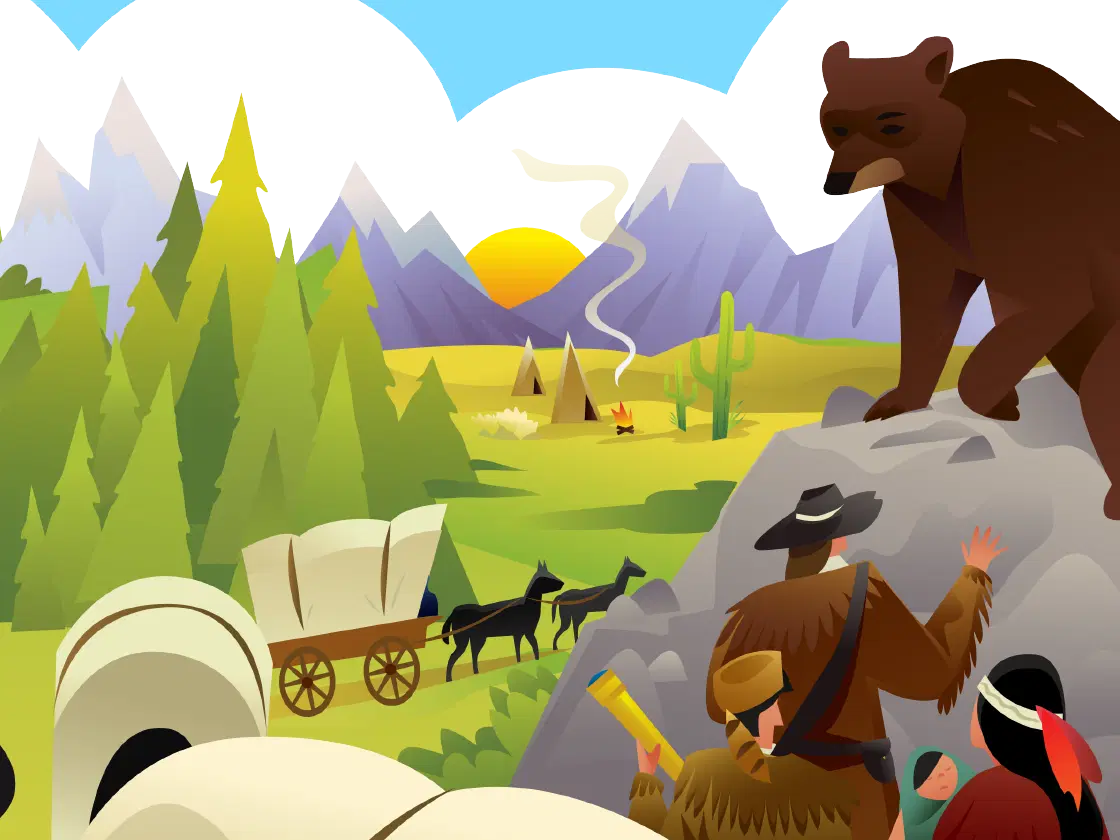
Los pioneros con carros cubiertos y caballos señalan hacia un valle con tipis nativos, fogatas y humo elevándose. Un oso se encuentra sobre una roca y se ven montañas al fondo.

Domain

Frontier Explorers/Exploradores de la Frontera

The story of the journey west from the newborn U.S.A. to find the Pacific Ocean.

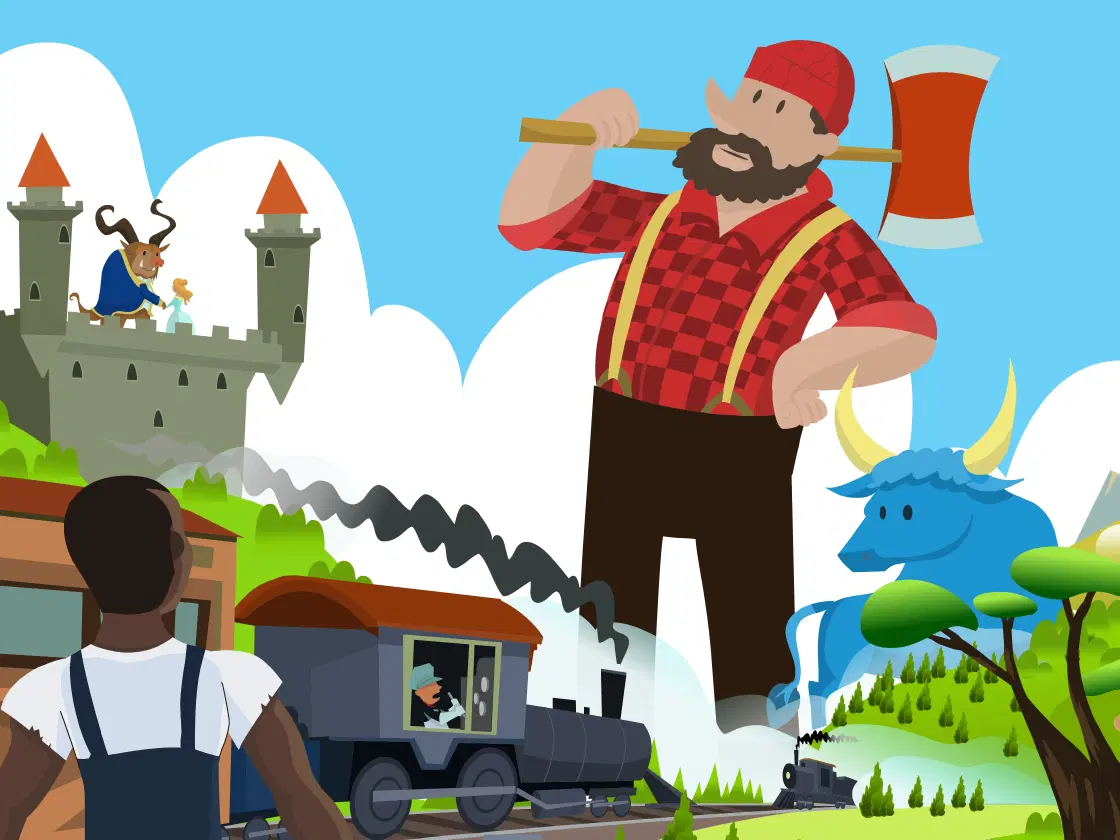
Un hombre con un hacha se encuentra entre paisajes exagerados con un castillo, un tren con humo, un buey azul y una persona con un mono observando la escena.

Domain

Fairy Tales and Tall Tales/Cuentos de hadas y cuentos exagerados

Learn about exaggeration and characterization on the frontier.

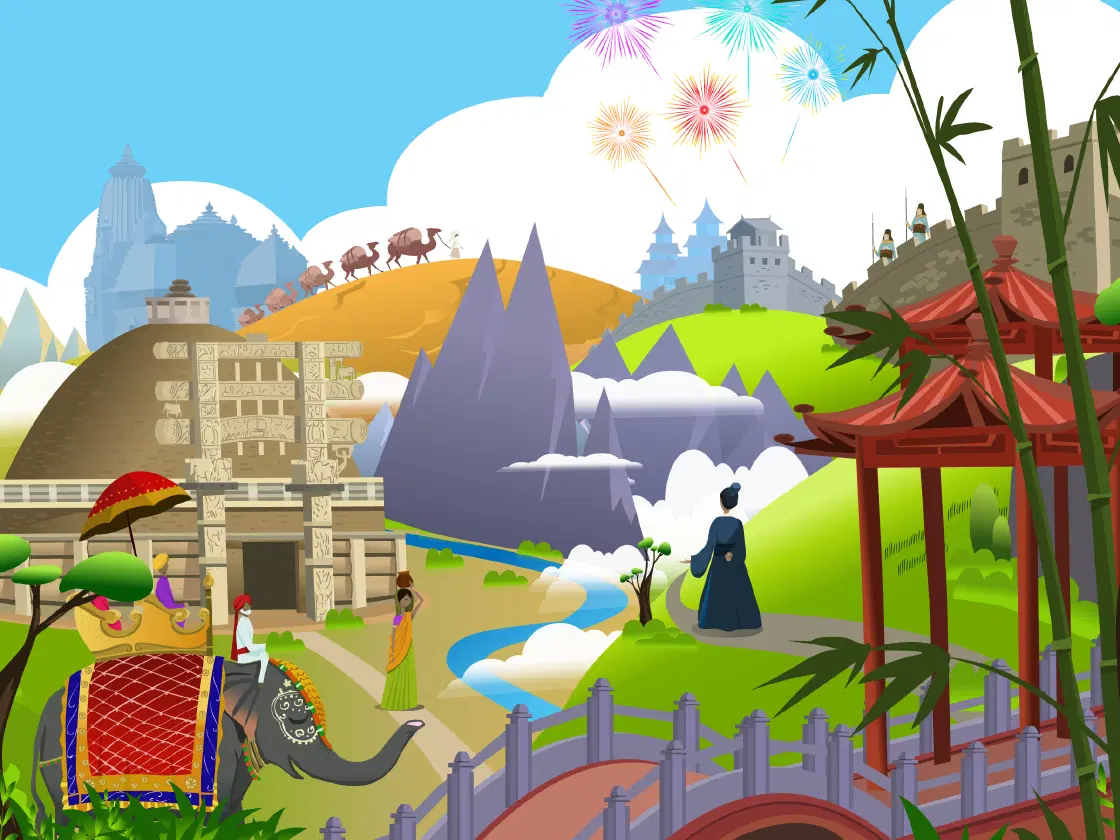
Ilustración de un paisaje vibrante que presenta diversos monumentos culturales, incluidos templos, palacios, pirámides, una escena de elefantes, montañas distantes y fuegos artificiales en el cielo.

Domain

Early Asian Civilizations/Antiguas civilizaciones de Asia

Tour the world of classical civilization, starting with India and China.

Ilustración que muestra la antigua Grecia con un anfiteatro, estatuas, soldados con armadura, un barco y un templo en una colina rodeada de vegetación.

Domain

Ancient Greek Civilization/La civilización griega antigua

The tour continues with the philosophy and politics of Greece.

Illustration of various mythological scenes including greek gods, a flying horse, and roman architecture under a sunny sky.

Domain

Greek Myths/Mitos griegos

Dive deep into the characters and storytelling of classic myths.

Ilustración de una batalla entre barcos británicos y estadounidenses cerca de un fuerte. El barco británico está a la izquierda con soldados, mientras que el barco estadounidense está a la derecha. La gente porta una gran bandera estadounidense en primer plano.

Domain

The War of 1812/La guerra de 1812

Learn about America’s “Second War for Independence.”

Un paisaje nevado con un zorro durmiendo en una madriguera, gente corriendo y andando en bicicleta por un sendero y árboles que muestran los cambios estacionales.

Domain

Cycles in Nature/Los ciclos de la naturaleza

Introducing the natural cycles that make our lives possible.

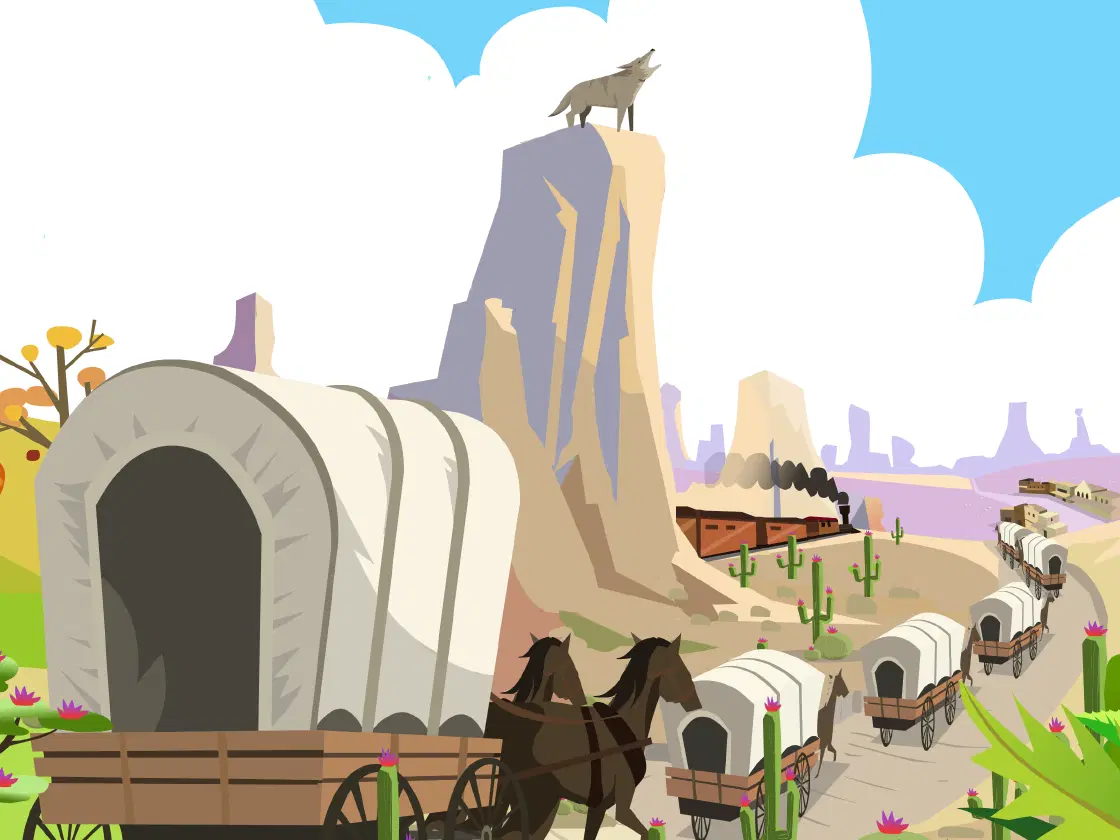
Ilustración de carros cubiertos tirados por caballos a lo largo de un sendero en el desierto, con un coyote aullando sobre una alta formación rocosa y un tren de vapor al fondo.

Domain

Westward Expansion/La expansión hacia el oeste

Why did pioneers go west? What happened to the people who were there?

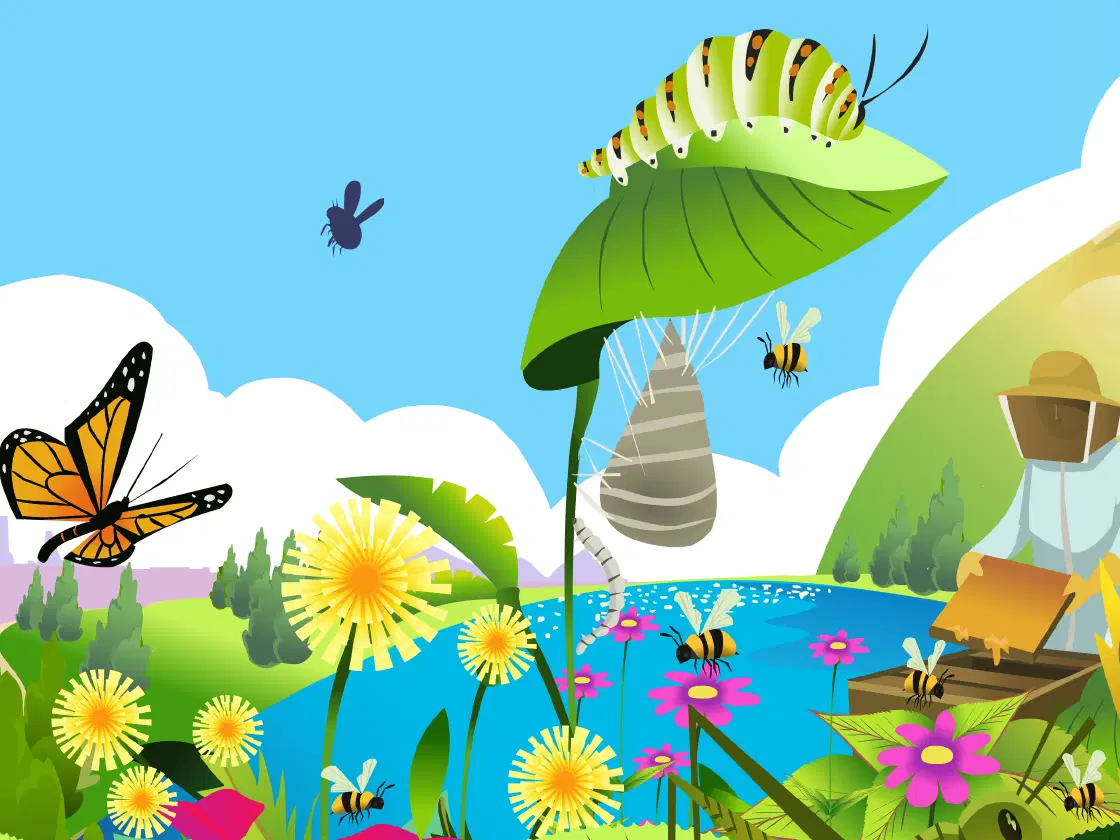
Ilustración de un jardín vibrante con flores, abejas, mariposas, una oruga en una hoja, una crisálida y un apicultor que maneja una colmena junto a un estanque.

Domain

Insects/Los insectos

Lay the grounds for animal classification by looking at solitary and social insects.

Ilustración de una escena histórica con gente escuchando el discurso de un hombre en una plataforma. Al fondo se ve un río y una procesión de personas. En primer plano hay un documento de proclamación.

Domain

The U.S. Civil War/La Guerra Civil de los Estados Unidos

Begin to grapple with U.S. history’s central crisis over slavery.

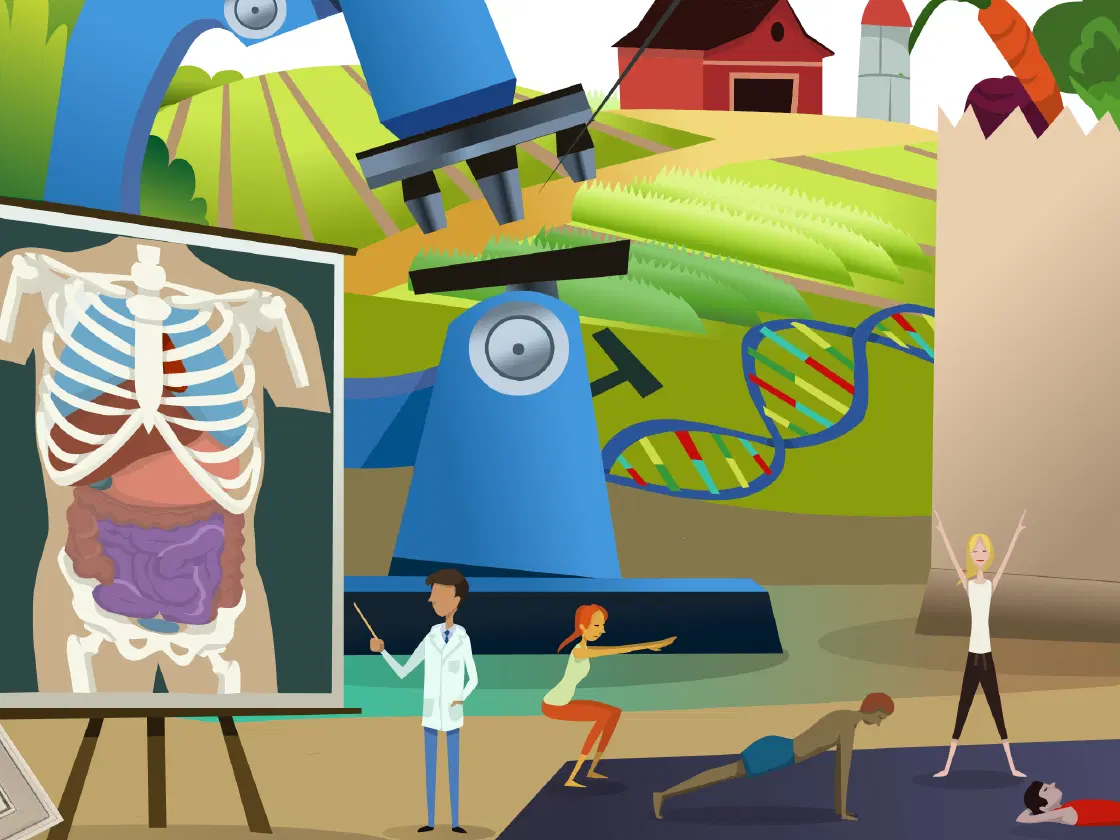
Una escena en la que aparece una persona explicando un diagrama anatómico humano, otra persona haciendo ejercicio, una cadena de ADN, campos y un microscopio de fondo.

Domain

Human Body: Building Blocks and Nutrition/El cuerpo humano: componentes básicos y nutrición

A deeper dive into the digestive system and the nutrition process.

Un grupo diverso de personas se encuentra en un muelle con vistas a un bullicioso puerto con barcos y un gran barco, un avión volando por encima y la Estatua de la Libertad al fondo.

Domain

Immigration/La inmigración

Why did people immigrate to the United States, and what did they find here?

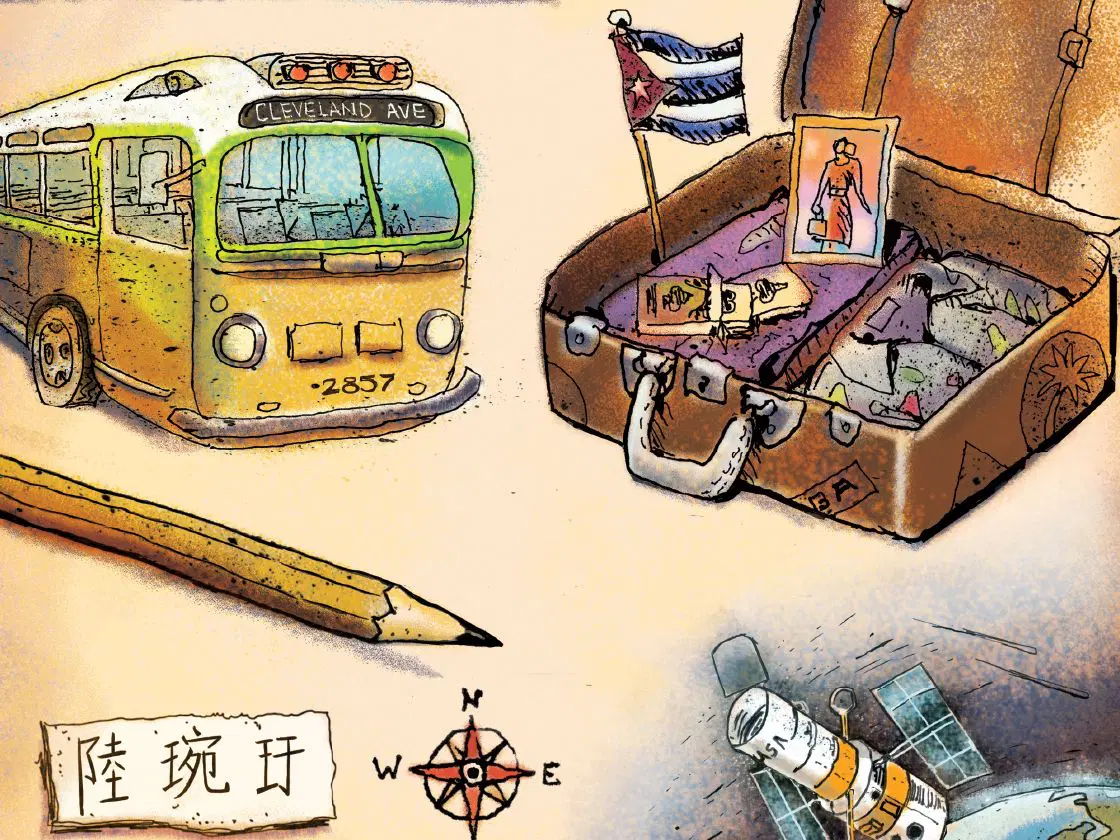
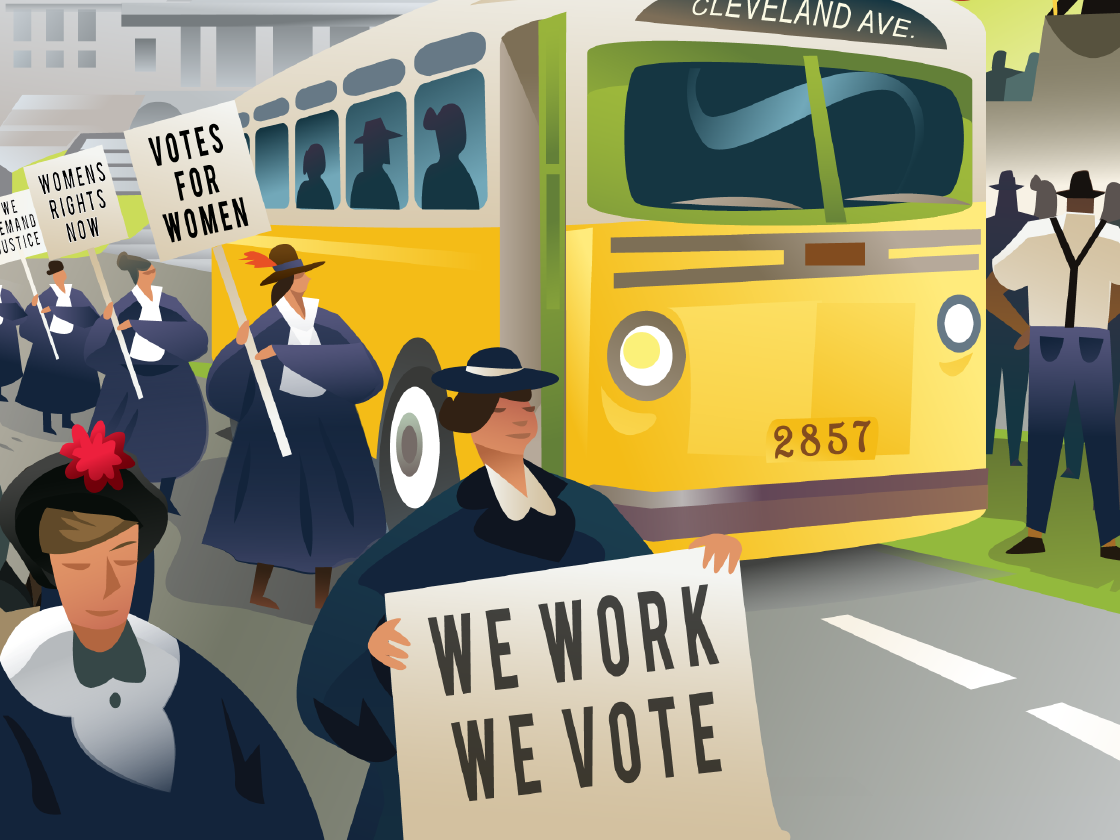
Women in early 20th-century clothing march with signs for voting rights and justice in front of a yellow bus labeled "Cleveland Ave.," making history that can inspire lessons in a K–2 language arts curriculum.

Domain

Fighting for a Cause/Luchar por una causa

How people can do extraordinary things to make the world better for everyone.

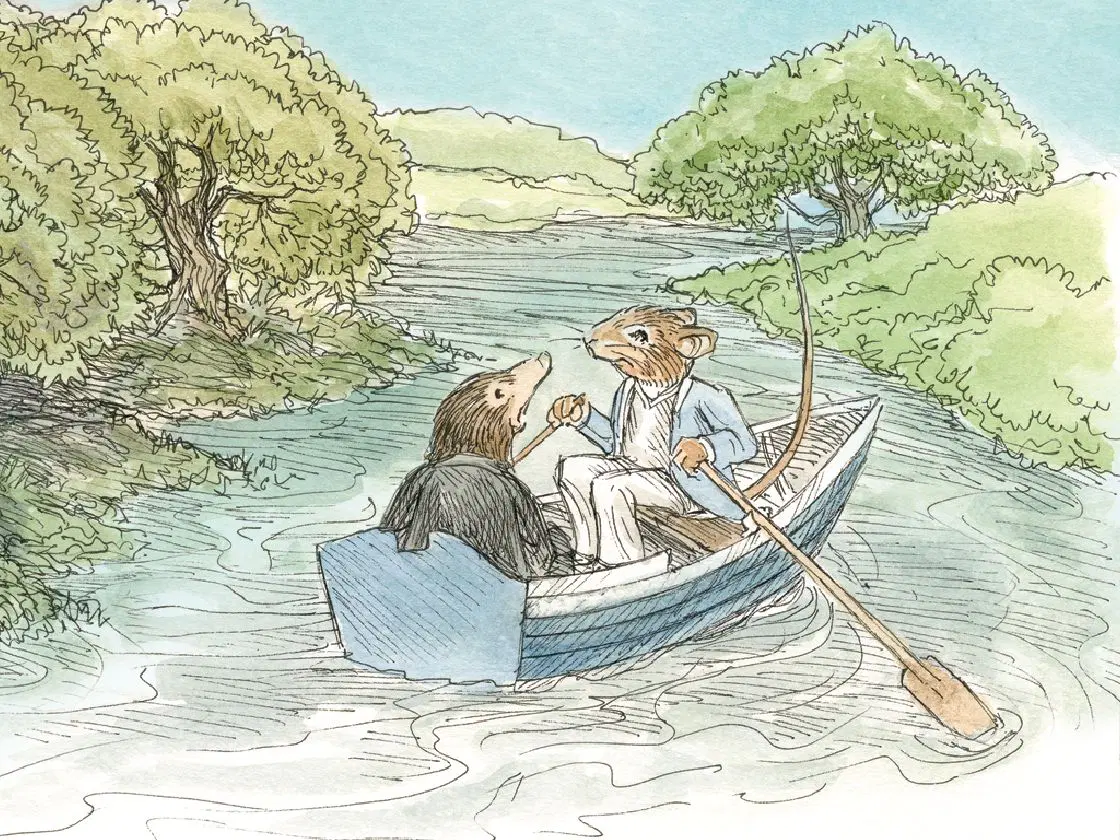
Dos ratones antropomórficos en un bote de remos, uno de ellos remando, navegan por un río tranquilo rodeado de exuberante vegetación y árboles. El ratón que rema lleva una chaqueta azul y el otro ratón parece conversar.

Unit 1

Classic Tales: The Wind in the Willows/Cuentos Clásicos: El viento en los sauces

A deep dive into character, theme, and POV in classic stories from around the world.

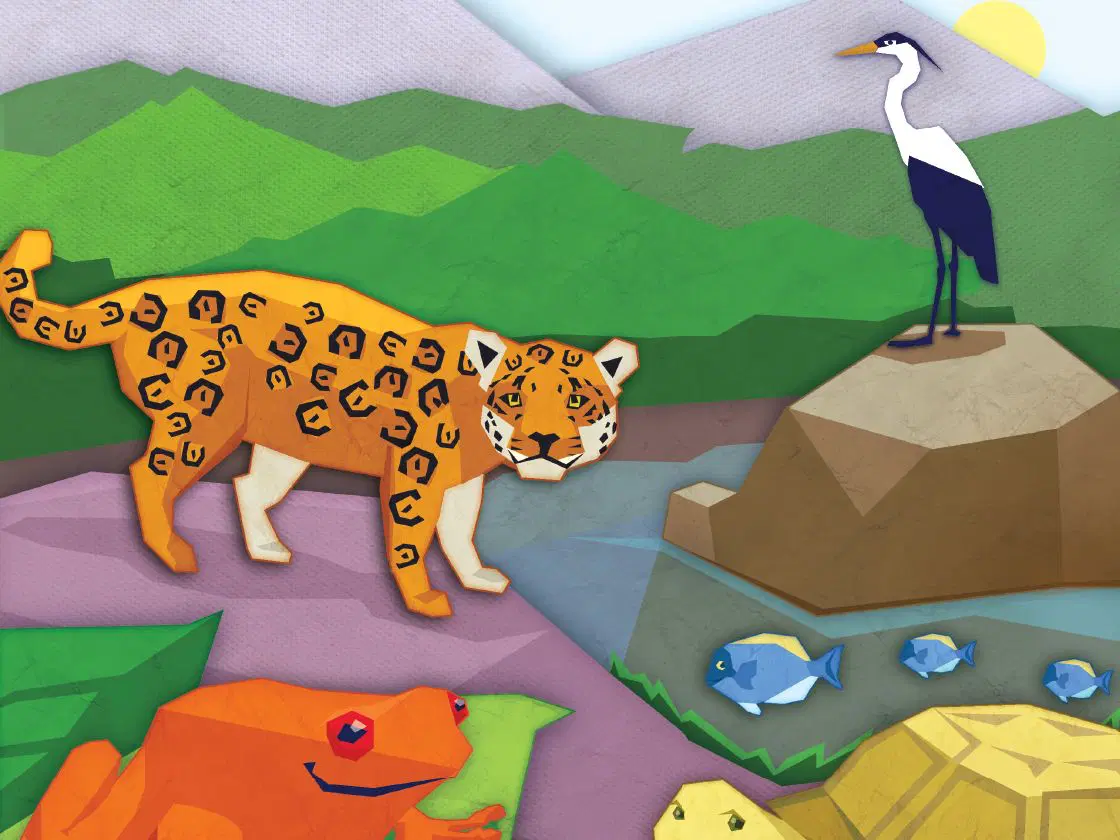
Ilustración de un jaguar, una garza, una rana roja, una tortuga y un pez en un paisaje vibrante con montañas y vegetación bajo un cielo soleado.

Unit 2

Animal Classification/La clasificación de los animales

How do we classify different animals by their appearance and behavior?

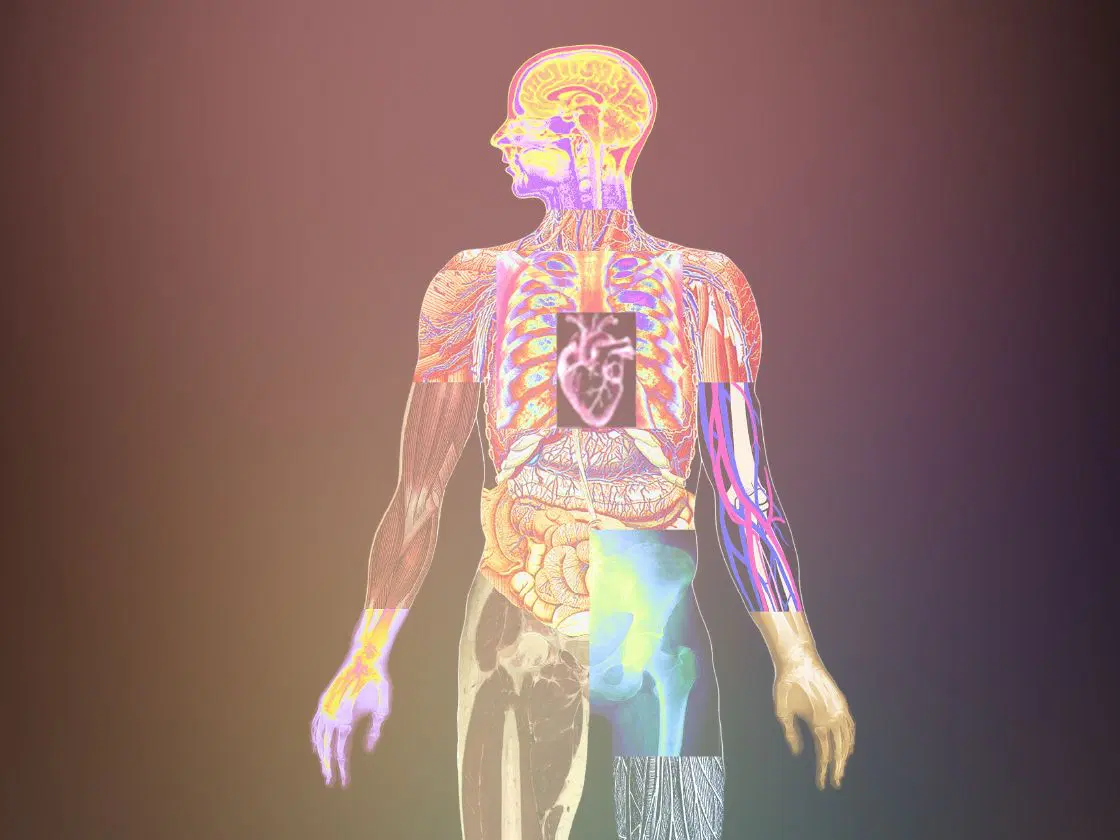
Ilustración de una figura humana que muestra la anatomía interna, incluidos el cerebro, los pulmones, el corazón, el sistema digestivo y una articulación de la cadera resaltada sobre un fondo degradado.

Unit 3

The Human Body: Systems and Senses/El cuerpo humano: sistemas y sentidos

Let’s take a closer look at how the skeleton, muscles, and nervous system all work.

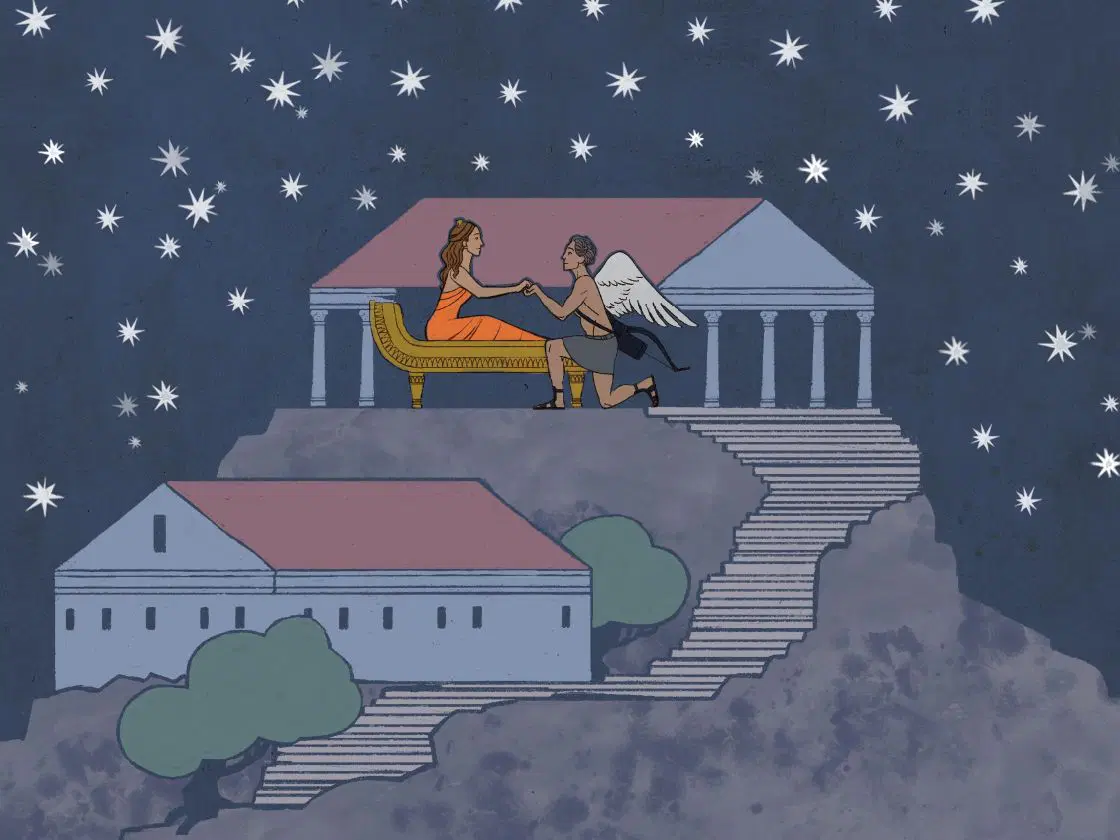
Un ángel se arrodilla ante una mujer sentada en un sofá dorado encima de un templo en una noche estrellada. Unas escaleras conducen al templo en un paisaje montañoso.

Unit 4

The Ancient Roman Civilization/La civilización romana antigua

What is Rome’s greatest cultural contribution? In this unit, your students decide.

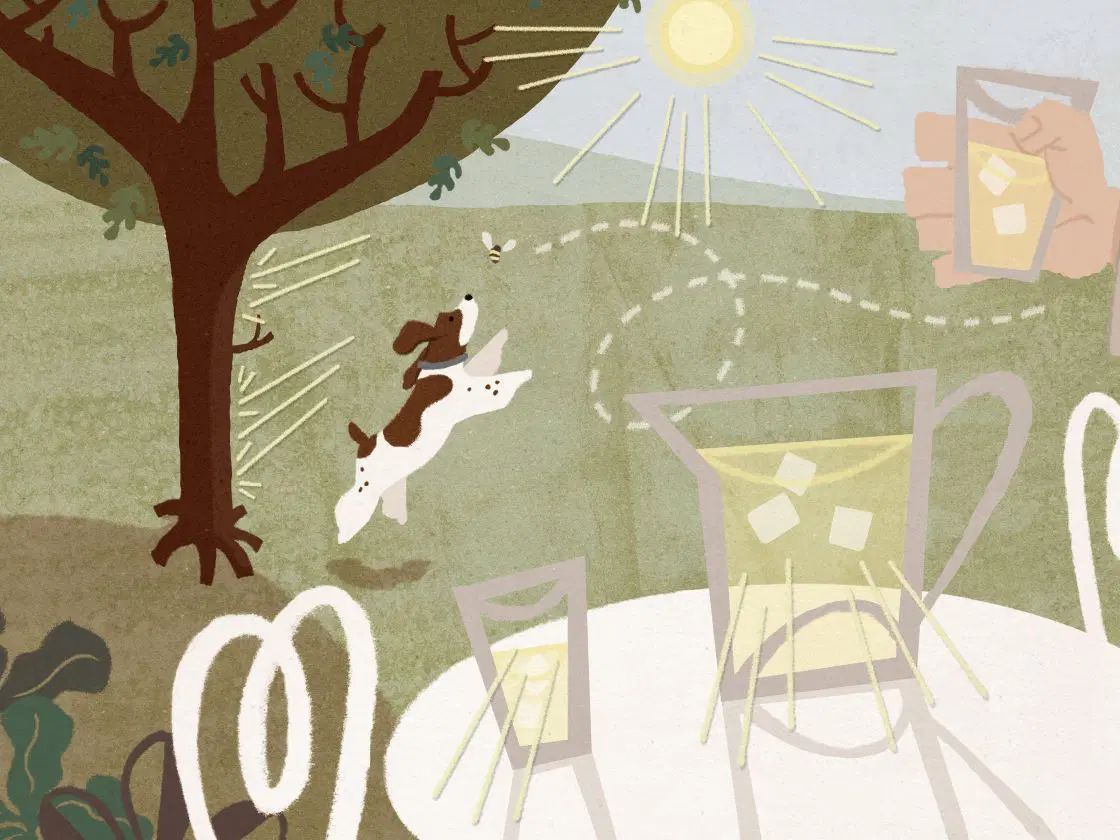
Ilustración de un perro saltando bajo un árbol, persiguiendo una abeja, con una mesa en primer plano sosteniendo una jarra y vasos de limonada. El sol brilla intensamente en el cielo.

Unit 5

Light and Sound/La luz y el sonido

The science behind all the ways we see and hear the world.

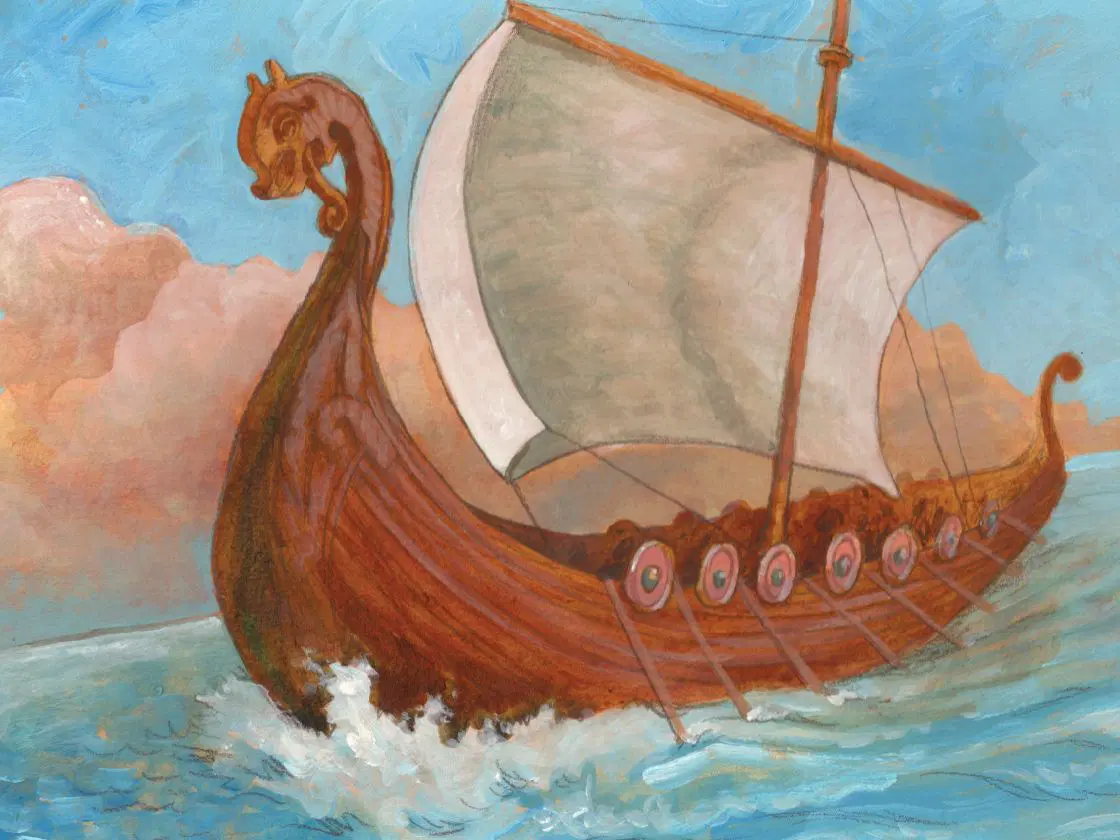
Un barco vikingo con una proa en forma de dragón navega en el océano bajo un cielo azul con nubes. El barco tiene una sola vela grande y varios escudos recubren sus costados.

Unit 6

The Viking Age/La era vikinga

An immersive narrative experience about what life was like in Viking communities.

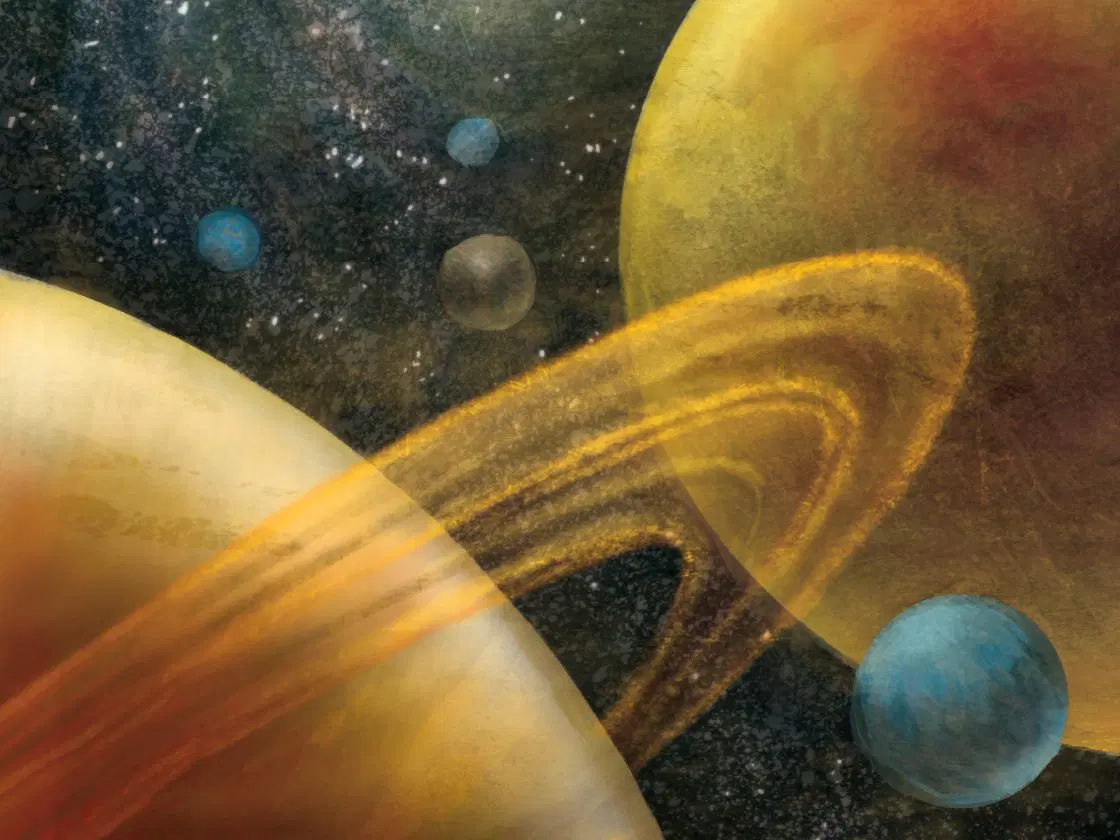
Ilustración de una escena espacial con varios planetas y anillos sobre un fondo de estrellas. Dos planetas grandes dominan el primer plano y se ven planetas más pequeños al fondo.

Unit 7

Astronomy: Our Solar System and Beyond/Astronomía: nuestro sistema solar y más allá

More about our universe, including a writing project about daily life on a space station.

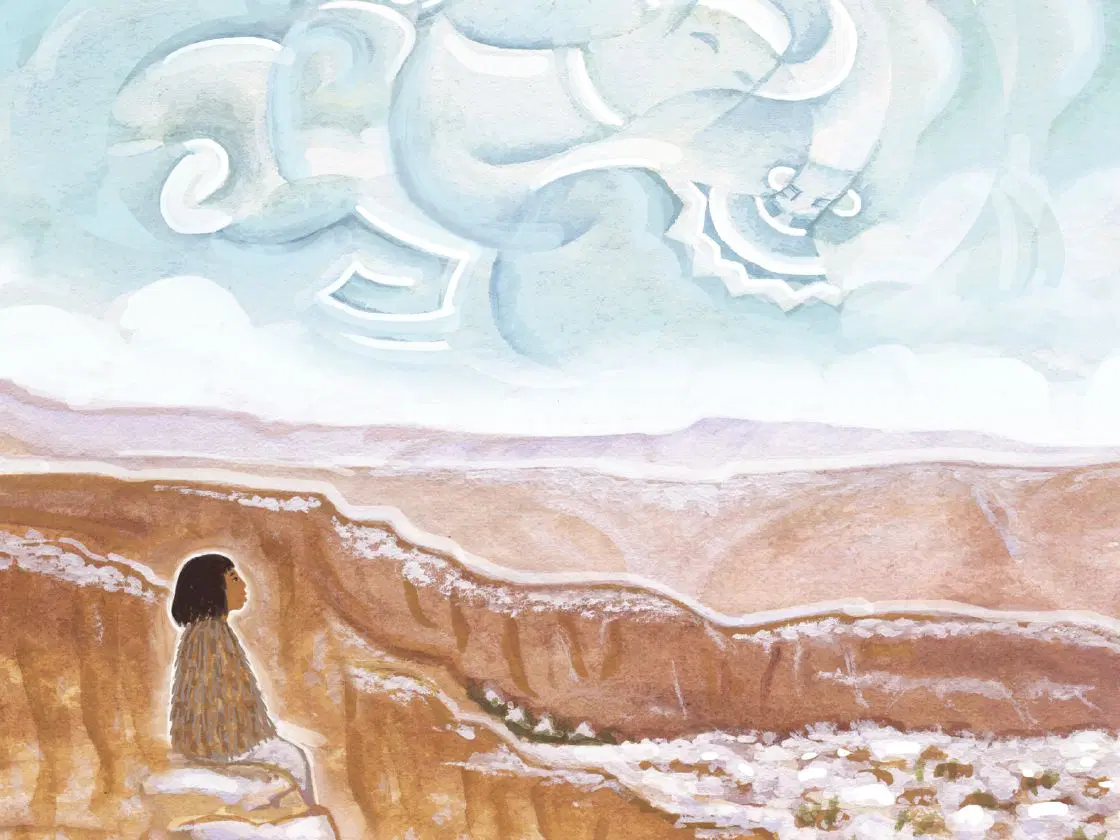
Una persona sentada en el borde de un acantilado con vistas a un vasto paisaje desértico con nubes arremolinadas en el cielo.

Unit 8

Native Americans: Regions and Cultures/Los nativos americanos: regiones y culturas

How did Native American nations change their way of life in different parts of the world?

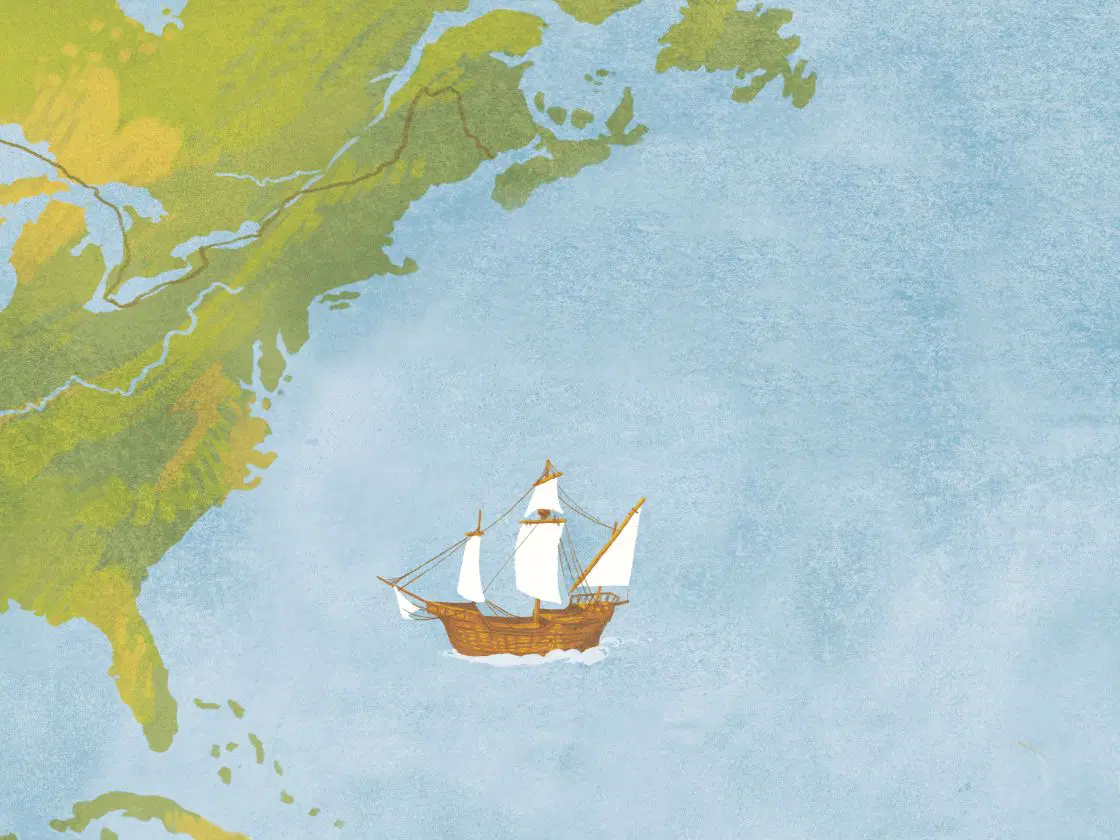
Ilustración de un velero en el océano con la costa este de América del Norte visible a la izquierda.

Unit 9

Early Explorations of North America/La exploración europea de América del Norte

What was it like to sail to North America with the early European explorers?

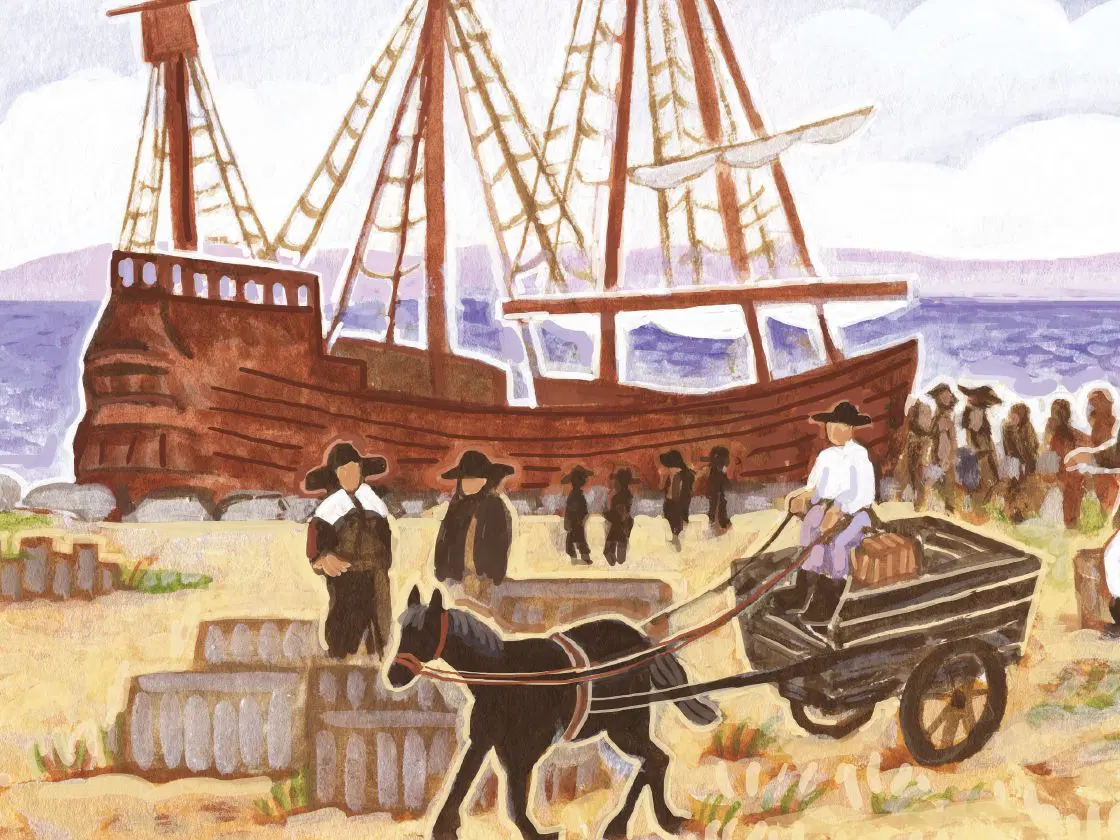
Una pintura representa una escena del siglo XVII con colonos, un velero al fondo y un hombre conduciendo un carro tirado por caballos cargado de mercancías. Se ve a otras personas descargando y trabajando cerca.

Unit 10

Colonial America/La época colonial en los Estados Unidos

A study of the very different ways of life in the different pre-U.S. colonies.

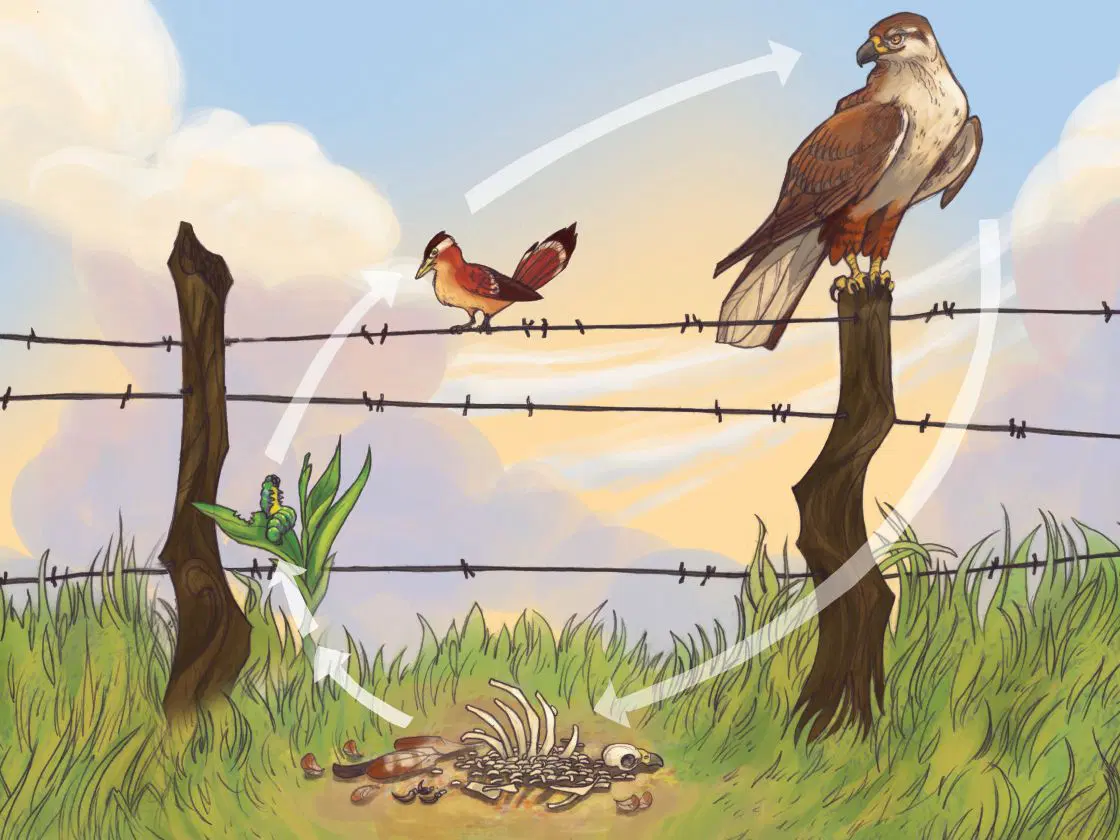
Ilustración que muestra el ciclo de la vida: un esqueleto en el suelo, un pájaro posado en una cerca, otro pájaro en una planta y un ave rapaz más grande arriba, todos conectados por flechas circulares.

Unit 11

Ecology/Ecología

Students keep ecologist’s journals to learn about our world and how best to protect it.

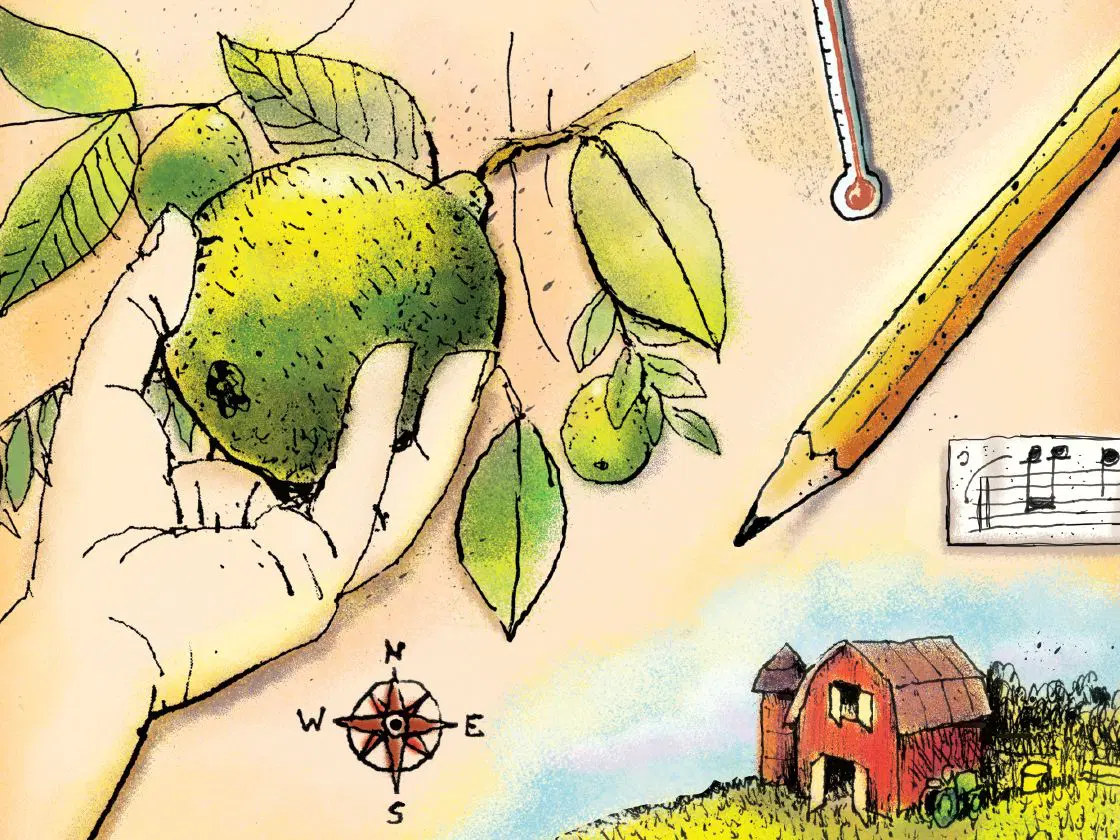
Una mano alcanza una manzana verde en una rama. Cerca hay una brújula, un termómetro, un lápiz, notas musicales y un granero rojo sobre un paisaje cubierto de hierba.

Unit 1

Personal Narratives/Narrativas personales

Read stories of personal experience… and learn to reflect on your own.

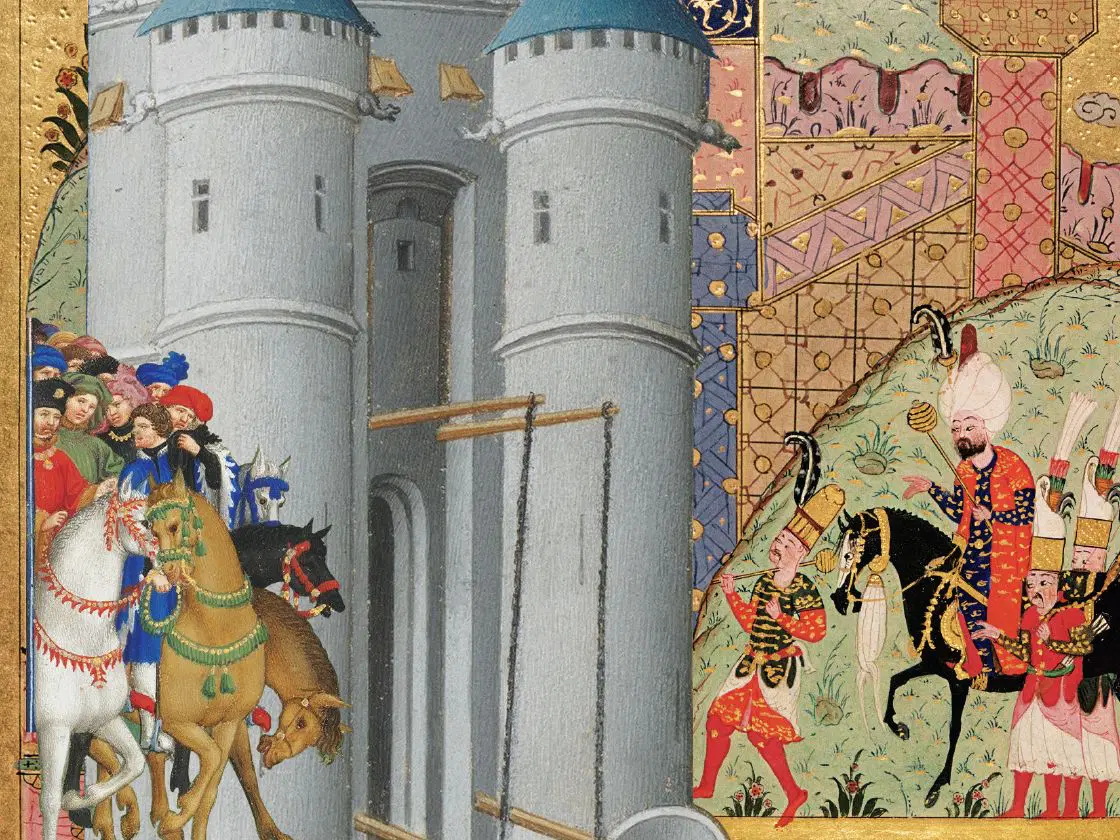
Ilustración medieval que representa un grupo de figuras con armadura a la entrada de un alto castillo gris con puente levadizo, adornado con banderas y rodeado por un paisaje decorado y fondos ornamentados.

Unit 2

Empires in the Middle Ages/Los imperios en la Edad Media, parte 1 & Los imperios en la Edad Media, parte 2

Explore the medieval history of Europe and the Middle East.

Ilustración dorada de un dragón con alas sobre fondo beige, rodeado de diversos elementos decorativos como estrellas, hojas y estampados abstractos.

Unit 3

Poetry/Poesía

Study the poetry of many nations using licensed text anthologies, and begin to write your own.

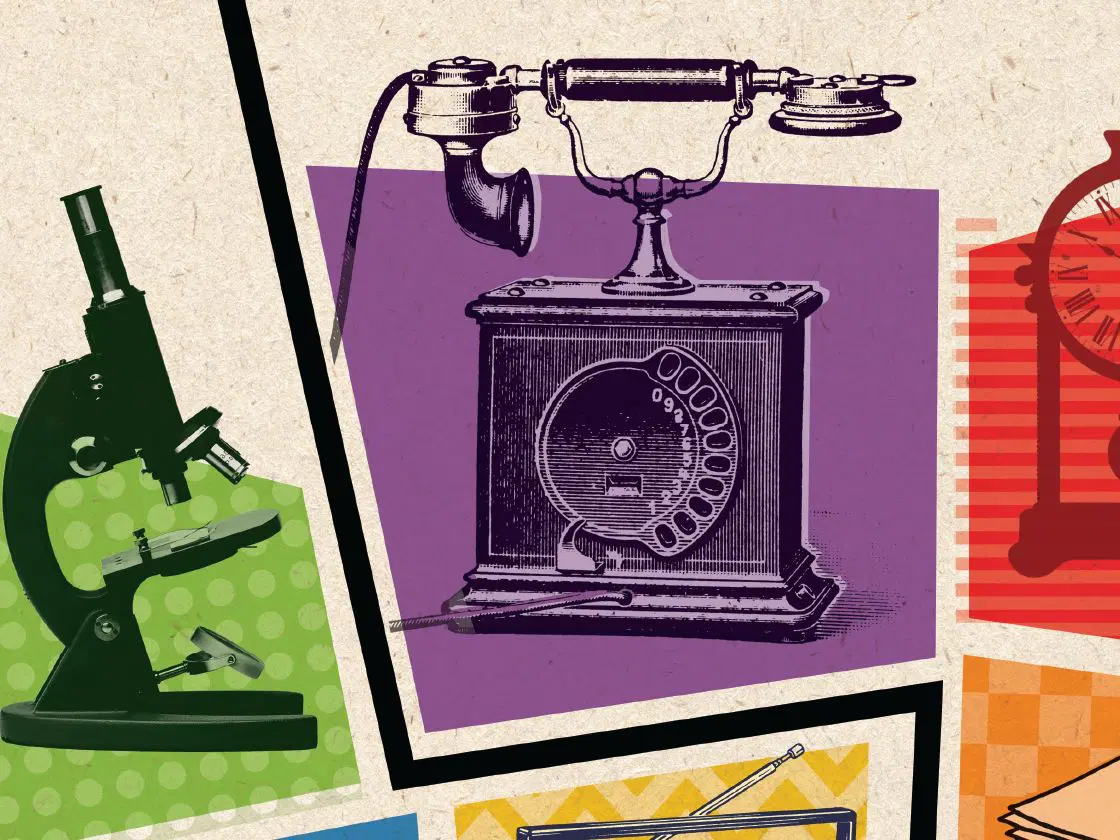
Vintage styled illustrations of a microscope, an old telephone, and a clock on textured background with geometric patterns.

Unit 4

Eureka! Student Inventor/¡Eureka! Estudiante inventor

Transform the class into a lab for students to build and present inventions.

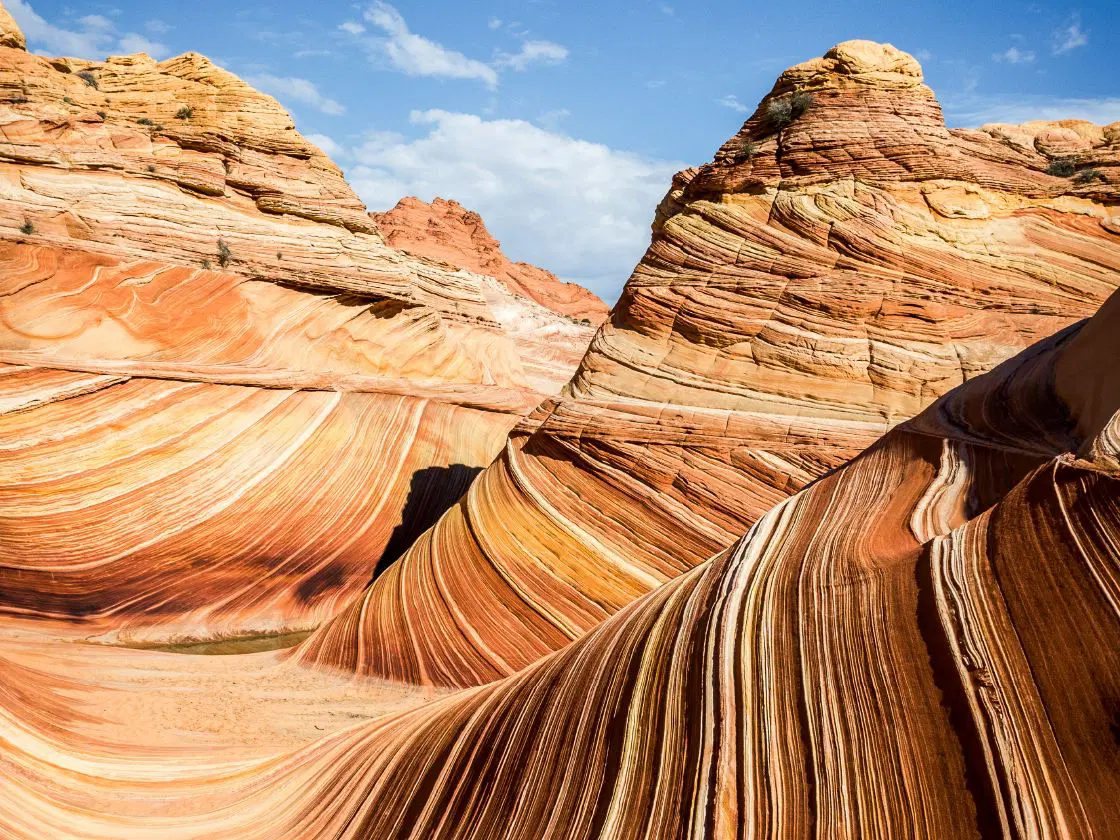
Formaciones rocosas en un paisaje desértico con capas vibrantes y arremolinadas de arenisca roja, naranja y amarilla bajo un cielo parcialmente nublado.

Unit 5

Geology/Geología

Plate tectonics, volcanoes, erosion: all the forces that shape the Earth.

Una imagen abstracta y colorida que representa varias formas geométricas de edificios sobre un fondo azul estampado.

Unit 6

Contemporary Fiction with excerpts from The House on Mango Street/Ficción Contemporánea con Fragmentos de La Casa en Mango Street

Explore The House on Mango Street… and write a book while doing it.

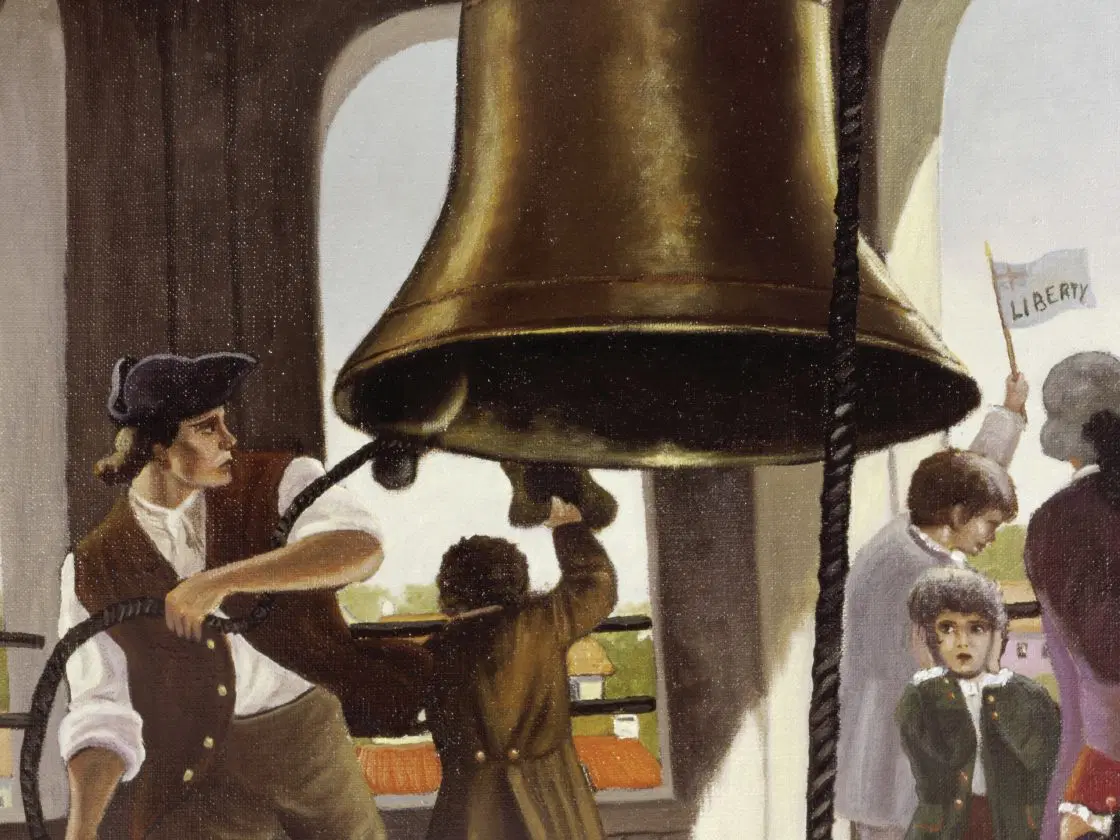
Cuadro que representa a un hombre y un niño tocando una gran campana en una torre, con espectadores al fondo y un cartel de "LIBERTAD" visible.

Unit 7

American Revolution/La Revolución estadounidense

Why did America seek independence? Let’s investigate the causes and effects.

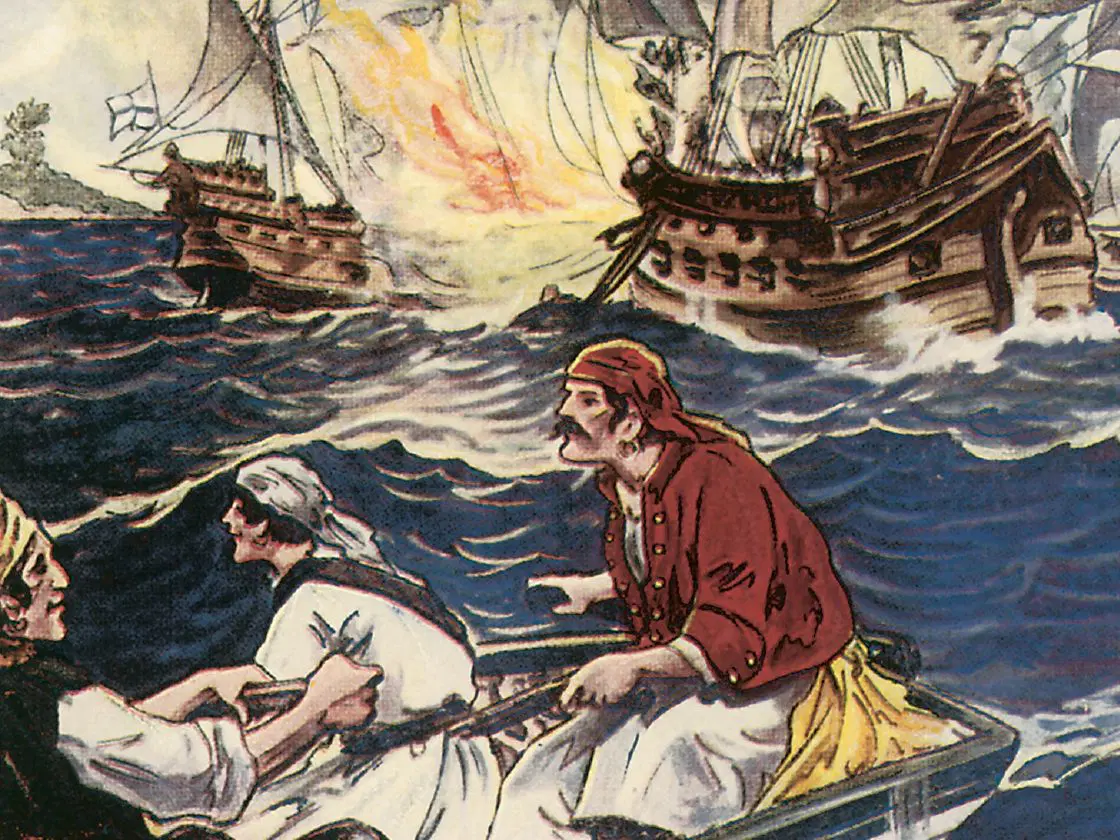
Un pequeño bote de remos con tres personas navega por mares agitados mientras dos grandes barcos luchan al fondo, con humo y fuego visibles.

Unit 8

Treasure Island/La Isla del Tesoro

How dSeek the treasure of plot in this detailed study of a classic fiction adventure.

Unit 1

Personal Narratives/Narrativas personales

Through writing and sharing their writing, students begin to identify themselves as writers.

Unit 2

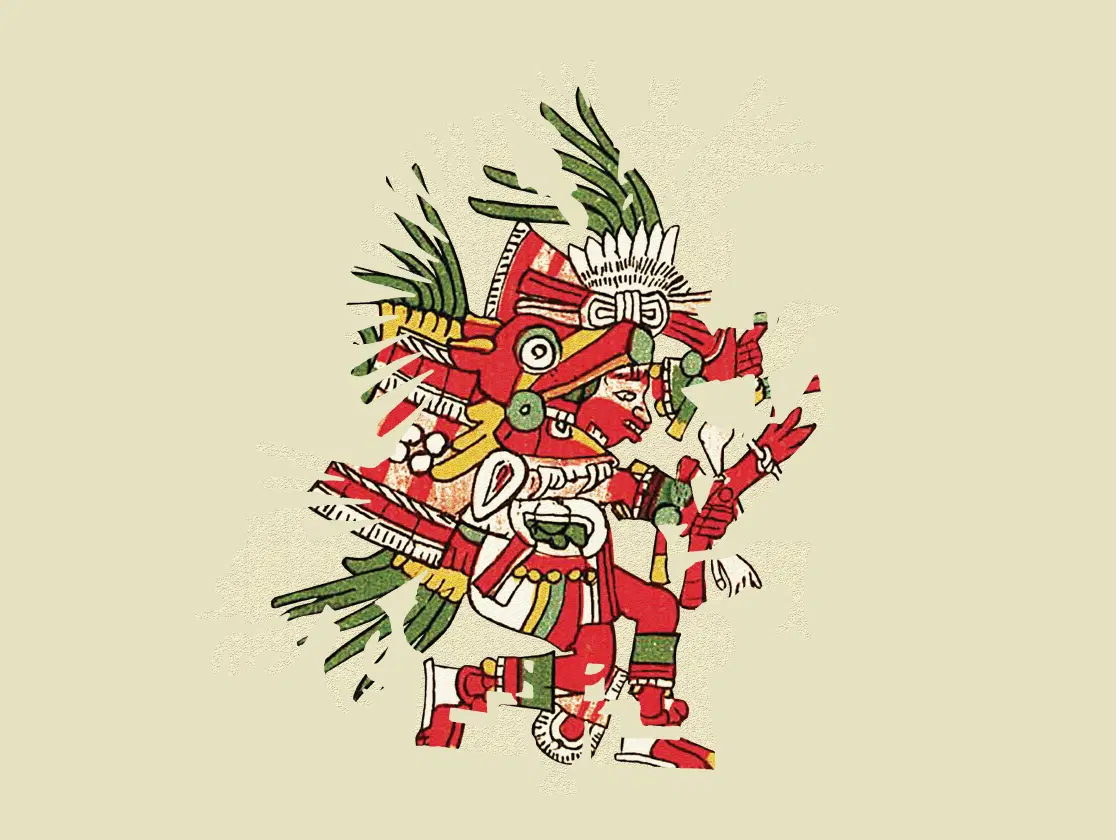
Early American Civilizations/Las primeras civilizaciones americanas

Students craft a codex to explain the rise and fall of the Maya, Aztec, and Inca people.

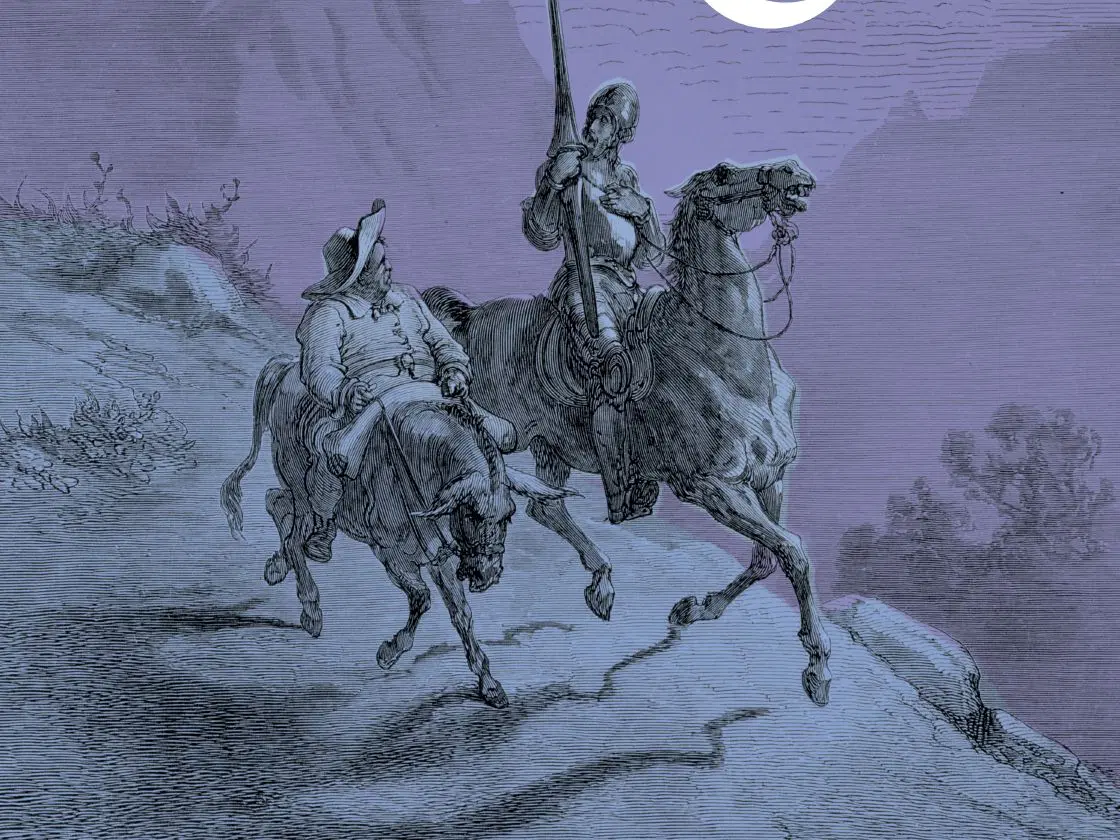
Dos jinetes medievales a caballo, uno de ellos con la espada en alto, avanzan por un terreno rocoso. El fondo presenta un paisaje brumoso bajo un tono violeta.

Unit 3

Poetry/Poesía

Students close read many forms of poetry… and learn to write them.

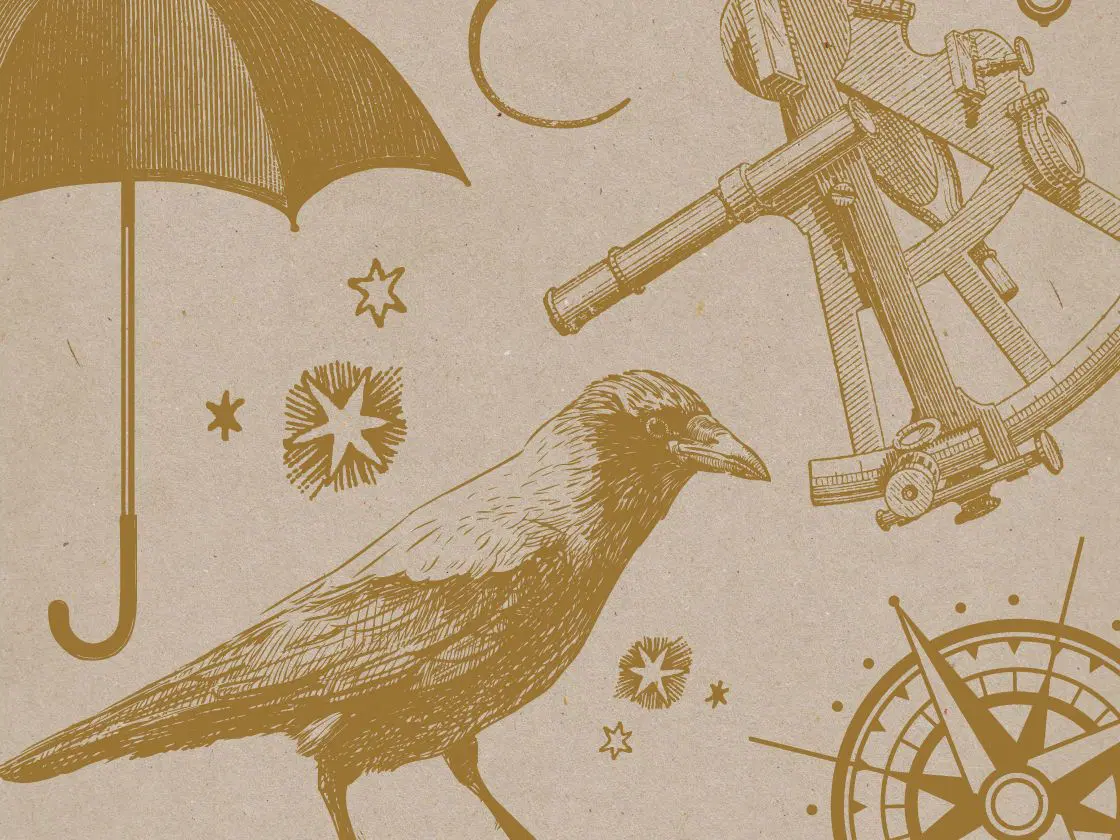
Collage ilustrado con un paraguas, un cuervo, un sextante náutico, estrellas, una luna creciente y una brújula sobre un fondo beige texturizado.

Unit 4

Adventures of Don Quixote/Las Aventuras de Don Quijote

Was Don Quixote right to fight the windmill? In this full-length novel study, students decide.

Unit 5

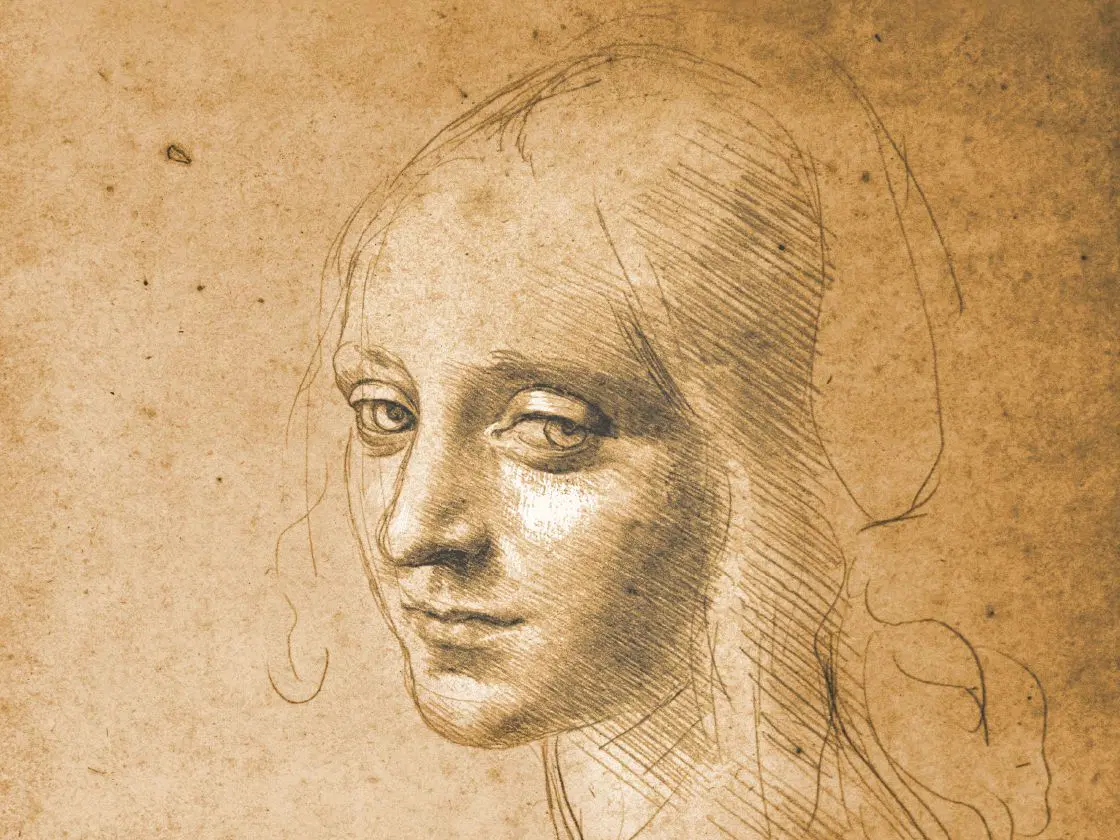
The Renaissance/El Renacimiento

Exploring the art and literature of the Renaissance through the works of its masters.

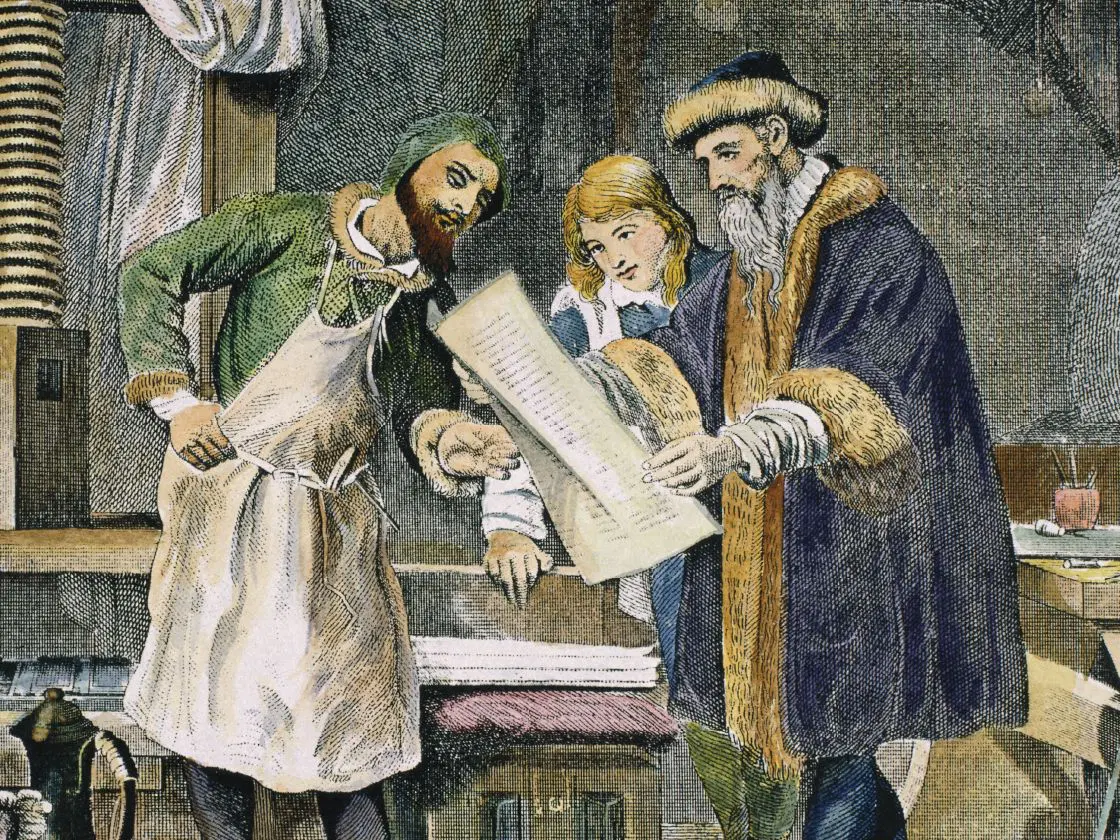
Tres hombres vestidos con ropa de época examinan una gran hoja de papel dentro de una imprenta. Un hombre parece llevar un delantal, mientras que otro señala el papel y el tercero observa de cerca.

Unit 6

The Reformation/La Reforma

How did the printing press transform the religion and society of Europe?

Patrón botánico morado y lila con hojas, plantas y formas abstractas, incluida una luna creciente y estrellas, sobre un fondo violeta oscuro.

Unit 7

William Shakespeare’s A Midsummer Night’s Dream/Sueño de Una Noche de Verano de William Shakespeare

Students enter the world of Shakespeare by reading, designing, and acting out his work.

Retrato en tonos sepia de una joven de pelo largo, con un collar de pedrería y un chal drapeado.

Unit 8

Native Americans/Los nativos americanos

How did the policies of the U.S. government impact Native American culture and lives?

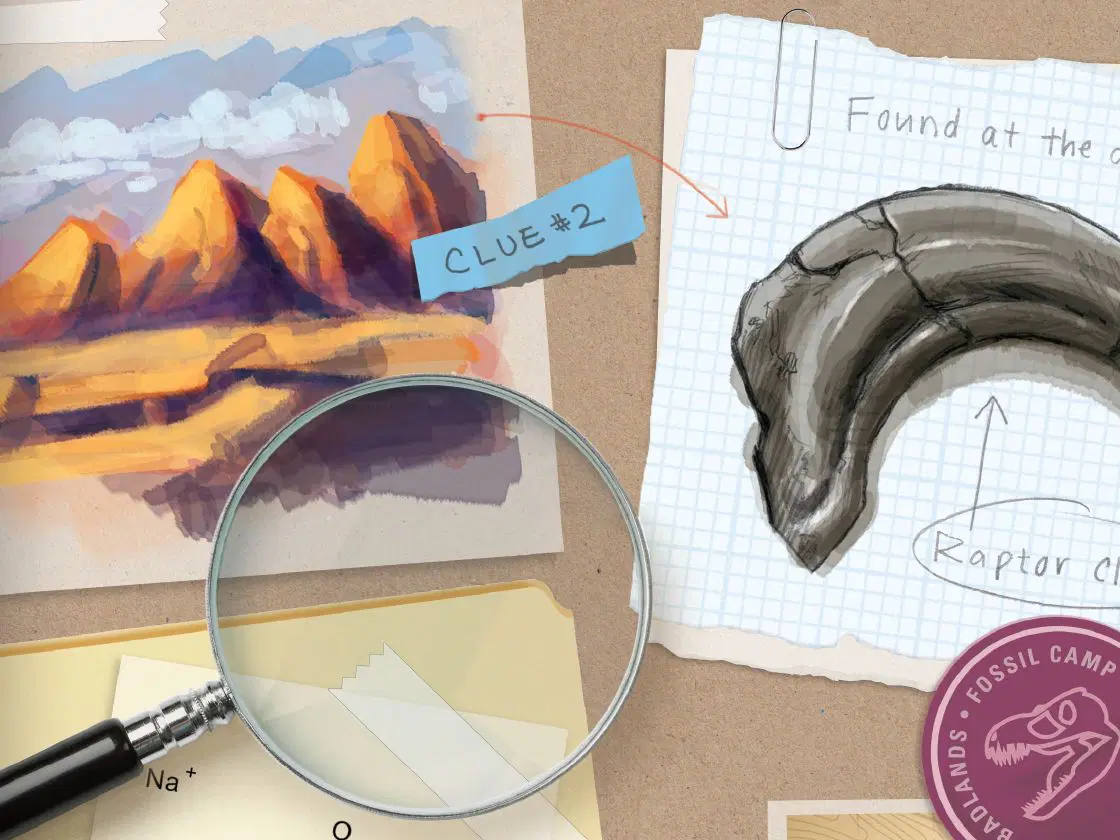
Una lupa sobre documentos que contienen una pintura de paisaje de montañas, un dibujo con la etiqueta "Raptor Claw" y una nota adhesiva con la "Pista n.° 2". También se ven un sobre y una insignia exterior.

Unit 9

Chemical Matter/Química

Students use knowledge of chemistry to solve a mystery.

Print & digital components

The program includes instructional guidance and student materials for a year of instruction, with lessons and activities that keep students engaged every day.

Component

FORMAT

Knowledge (Conocimientos) Teacher Guides (K–2)

Knowledge Strand Teacher Guides contain Amplify CKLA’s cross-curricular read-alouds and application activities, all of which are standards-based to build mastery of content knowledge and literacy skills. There is one Teacher Guide per Knowledge Domain.

Print and digital

Knowledge Image Cards (K–2)

Amplify Caminos includes Image Cards for each Knowledge Domain to bring each topic to life through vivid visuals.

Print and digital

Knowledge Flip Books (K–2)

Projectable Flip Books are provided to accompany the read-alouds in each Knowledge Domain.

Digital

Teacher Guides (3–5)

Teacher Guides for grades 3–5 units are based on content-rich topics and incorporate reading, writing, speaking, and listening skills in the context of background knowledge. There is one Teacher Guide per unit.

Print or digital

Teacher Resource Site (K–5)

The program includes a one-stop-shop website for lesson projections, digital versions of all Amplify Caminos materials, lesson planning resources, multimedia (such as eBooks), and more.

Digital

Professional Learning Site (K–5)

The Professional Learning site includes training materials, best practices, and other resources to develop program expertise. Access professional development anywhere, anytime.

Digital

Component

FORMAT

Knowledge (Conocimiento) Activity Books (K–2)

Activity Books provide students with the opportunity to deepen world and word knowledge by responding to text in a diversity of ways.

Print

Student Readers (3–5)

Student Readers serve as content-rich anchor texts for each unit. Units such as Poetry and Contemporary Fiction feature authentic texts originally written in Spanish.

Activity Books (3–5)

Activity Books in grades 3–5 provide daily opportunities for students to hone reading and writing skills within the context of each unit.

Print and digital

Explore more programs

Our programs are designed to support and complement one another. Learn more about our related programs.

Introducing our 2023 Science of Reading Star Award finalists!

Roll out the red carpet and shine those spotlights—it’s time to meet the 25 finalists for our 2023 Science of Reading Star Awards!

These educators and leaders help light the way for the next generation. They’ve implemented Science of Reading principles and guided their students toward lifelong literacy. They’ve demonstrated expert change management and professional development. Get ready to meet some of the brightest minds in education as we celebrate their achievements and see what makes them truly stellar!

Join our virtual event and awards program on May 23.

But first…meet our 2023 finalists! Below, you’ll hear from the nominees themselves, as well as the colleagues who nominated them, about what makes them stars.

The Changemaker Award

For exemplary leadership in guiding a district through a shift to the Science of Reading.

And the finalists are…

Heather Campbell
Learning Coach, Sunset Elementary, Washington County District, UT
Why she’s a star: “Heather’s philosophy that all students can learn to read if given proper instruction has changed the data. Our school made the change and the data is showing our students are thriving.” —Shelli Campbell, Learning Coach

Javonna Mack
Lead Content Teacher, Caddo Parish School, LA
Why she’s a star: “Whether working with students or teachers, Mrs. Mack keeps best practices grounded in the Science of Reading at the forefront. She constantly strives to build teachers’ expertise in teaching students to read through content-rich professional learning communities, often on Saturdays or after the workday has ended.” —Shannon Southwell, Lead Content Teacher

Aaron Jura
Reading Interventionist, Bloomingdale, IL School District
Why he’s a star: “Aaron has been the catalyst for our entire district embracing this shift to the Science of Reading, and we are just at the beginning of this amazing journey.” —Nicole Gabany, Reading Interventionist

Nicole Peterson
Director of PreK–8 Education, Sampson County Schools, NC
Why she’s a star: “She has created, initiated, implemented, monitored, evaluated, and adjusted processes and systems to ensure that teachers have access to resources, training, materials, and professional development to ensure that all students gain equitable access to high-quality, evidence-based instruction.” —Matthew McLean, Director, PreK–8th Grade Education

Virginia Quinn-Mooney
Teacher, Northville Elementary School, CT
Why she’s a star: “Virginia has gone from one person with a personal commitment to advancing her literacy knowledge. She has now impacted countless educators, parents, etc., with her tenacity and learning journey.” —Nicole Gregory, Teacher

The Data Dynamo Award

For commendable use of data to align a literacy system and maximize student achievement

Shennoy Barnett
Kindergarten Teacher, South Smithfield Elementary, NC
Why she’s a star: “My objective is to help as many children as I can become fluent readers and critical thinkers. As a literacy specialist here for just four months, I made great strides with literacy with my students.” —Shennoy Barnett, Kindergarten Teacher

Anne Elizabeth Carter
Kindergarten Teacher, Wake County District, NC
Why she’s a star: “Through systematic and explicit phonics instruction as well as targeted language comprehension instruction—using texts that incorporate science and social studies content as well as build knowledge systematically—my kiddos were TRULY learning how to read accurately and fluently.” —David Gaudet, Principal

Bethani Ploegstra
Kindergarten Teacher, Union Colony Elementary, CO
Why she’s a star: “She takes data from mCLASS® DIBELS®, Lexia, and SchoolPace (part of our reading curriculum), as well as formative feedback from what she hears and sees students doing daily in the classroom, to immediately adjust what she presents next to students, whether individually, in small groups, or whole class.” —Mandy Bailey, Assistant Principal

The Knowledge Builder Award

For showing the world that the Science of Reading is more than just phonics, and empowers students with knowledge from elementary to middle school

Corey Beil
Instructional Interventionist, Quakertown Community School District, PA
Why he’s a star: “He incorporated literacy into his daily math instruction by providing our students with opportunities to understand and connect with the content more deeply. Our students were exposed to practicing literacy concepts while expanding their mathematical knowledge and foundational understanding.” —Julianne Pennabaker, Teacher

Kim Smaw
Principal, Rosalyn Yalow Charter School, NY
Why she’s a star: “She was able to persuade the learning community to adopt the Science of Reading, firmly convincing them that this curriculum could empower students to gain rich learning experiences.” —Deirdre Frost, Reading Intervention Specialist

Angie Dutton
Instructional Coach, Onslow County Schools, NC
Why she’s a star: “Her positive attitude about the Science of Reading is contagious and is most likely why other educators feel comfortable reaching out to her for questions and guidance.” —Stacey Horne, Instructional Coach

Nicole Brodie
ELA Grade 7 Teacher, Long Middle School, GA
Why she’s a star: “She encourages her students to use their [voices] for change and impact and supports them in their learning process academically, [socially, and emotionally].”
—Renee Dawson, Grade 7 English Language Arts Teacher

The Intervention Innovator Award

For admirable use of intervention strategies to get at-risk readers back on track

Suzanne Maddox
RTI Teacher, Robertson County Schools, TN
Why she’s a star: “Mrs. Maddox reviewed individual student data, worked with teachers, and began using CKLA Skills and the intervention materials provided with this curriculum to continue a sounds-first approach to meeting the individual needs of students.” —Brooke Callis, RTI Teacher

Sara Thornton
Reading Interventionist, Senior Team Lead, Schmitt Elementary, CO
Why she’s a star: “Sara’s enthusiasm for and dedication to her work has been an inspiration to all involved and has resulted in a successful transition to the Science of Reading—as evidenced by our students’ amazing academic growth!” —Hayley Gunter, Reading Interventionist, Senior Team Lead

Markaya Aga
Reading Interventionist, Merit Academy, CO
Why she’s a star: “Since she has come on board at our school, the mindset around literacy and the growth of our programming [has improved] ten-fold. We need more educators like Markaya!” —Allison Hanson, Reading Interventionist

The Language Luminary Award

For outstanding success in developing the skills and strengths of emergent bilingual students

Wanda Ramirez
Grade 2 Teacher, El Sol Science and Arts Academy, CA
Why she’s a star: “We used to emphasize to students that what they know in one language cannot be used in the other language. Now, as a dual-immersion educator, I have the opportunity to change that mindset, teach my students to embrace their native [language], and empower them to use their entire linguistic ability. It’s a very powerful thing to be able to do.” —Wanda Ramirez, Grade 2 Teacher

Esmeralda Martinez
Kindergarten Teacher, Compass Community Schools, TN
Why she’s a star: “She has consistently worked on improving her teaching methods, tried new ways to engage the class, and worked diligently to support all of our students.” —Rachel, Marinari, Teacher

Christine Black
ESL Teacher, North Dover Elementary School, NJ
Why she’s a star: “We have a rapidly expanding ESL population, and Mrs. Black works tirelessly to ensure that her students are expanding their ELA skills in accordance with the major tenets of the Science of Reading.” —Dawn Gawalis, ESL Teacher

Rookie of the Year Award

For showing the world that the Science of Reading is more than just phonics, and empowers students with knowledge from elementary to middle school

Caitlyn Cockram
Teacher, Patrick County Schools, VA
Why she’s a star: “We have offered professional development in vocabulary and implementing SOR strategies, and Caitlyn is always one of the first teachers to sign up. She is dedicated to improving student achievement through research and evidence-based practices.” —Callie Wheeler, Teacher

Andrea Mason
Academic Interventionist, County Line Elementary School, GA
Why she’s a star: “Making the shift from balanced literacy to the Science of Reading hasn’t always been easy. But I continue to research and implement these best practices with my students because I can see that they are now on a path to becoming strong readers.” —Jennifer Ezell, Academic Interventionist

Mallory Pendergast
Phonics Teacher, Literacy Interventionist, Circle City Prep, IN
Why she’s a star: “As a kindergarten teacher, she led 100% of her scholars to be reading on grade level in the first quarter and maintained that momentum through the first semester.” —Sami Hyde, Senior Instructional Coach

ESSER Ace Award

For notable and innovative use of stimulus funds to help kids rediscover the joy of reading

Stephanie Hurst
District Literacy Specialist, Maple Avenue Elementary, NH
Why she’s a star: “She is also a voice on the utilization of [the] ESSER Fund—using the distribution of funds per federal protocol to ensure that the district’s lowest-performing schools have access to quality instructional materials and professional development all grounded in the Science of Reading.” —Mark Blount, K–12 Literacy Specialist

Callie Wheeler and Sara Vernon
Instructional Coaches, Patrick County Schools, VA
Why Callie’s a star: “Mrs. Wheeler played a key role in creating a culture of literacy within our schools, where the Science of Reading is central to the education of our students.” —Sara Vernon, Instructional Coach
Why Sara’s a star: “Sara has worked tirelessly to make the shift from the vision that was grounded in balanced literacy to one that is now making waves in Southwest Virginia with its Know Better, Do Better, Be Better approach to reading instruction.” —Callie Wheeler, Instructional Coach

Edie Bostic
Literacy Coach, Gallia Local, OH
“As a teacher, district Title I coordinator, elementary principal, and now district literacy coach, she continually champions the students under her care and is passionate about those students receiving the highest levels of instruction.” —Leslie Henry, Principal

Inspired? We are! Register to join our May 23 Science of Reading Star Awards virtual ceremony!

More to explore

Learn with and from other top-notch educators like you through our family of podcasts.
What’s included in our Spanish language arts curriculum

Amplify Core Knowledge Language Arts® (CKLA) is available in both English and Spanish. Amplify Caminos al Conocimiento Esencial, our robust Spanish language arts companion for grades K–5, supports multiple teaching models, including dual language immersion and transitional classrooms.

A laptop screen displays a kindergarten instructional webpage in Spanish, showing lesson categories with illustrated thumbnails and navigation options.

Year at a glance

The program’s intentional Knowledge Sequence from K–5 connects knowledge and vocabulary within a grade level and across grade levels, for deeper reading comprehension and preparation for college, career, and life. Instead of “activating prior knowledge,” Amplify Caminos helps you build it in the classroom from day one, for every child, expanding each student’s knowledge base long before they transition to reading to learn.

Curriculum flowchart showing reading themes and activities from Kindergarten to Grade 5, organized by grade level and literary theme, with interconnected boxes for each topic.

Units & domains at a glance

Each Knowledge Domain in grades K–2 and Unit in grades 3–5 varies in the number of days based on instructional purpose. Just as with our top-rated Amplify CKLA program, the Amplify Caminos materials engage and delight young learners with resources that are both appealing and original.

Una mujer rubia con un vestido azul cuida ovejas blancas y negras, sosteniendo un bastón de pastor. Un cerdo vestido de azul corre y un hombre de negro toca el violín en una valla. Al fondo hay una casa.

Domain

Nursery Rhymes and Fables/Rimas y fábulas infantiles

Start learning about literature with these classic Mother Goose rhymes.

Ilustración de tres personas en un paisaje cubierto de hierba, una tratando de atrapar mariposas con una red, otra escondiéndose detrás de una escultura alta y frondosa de una mano y otra con binoculares.

Domain

The Five Senses/Los cinco sentidos

Learning about the body starts with learning about how we experience the world.

Una ilustración que representa a un gran lobo con sombrero de copa liderando un desfile de animales y personas con instrumentos musicales a través de un paisaje montañoso.

Domain

Stories/Cuentos

Learn about the parts of a book and some of the stories that go in one.

Una ilustración vibrante de una escena rural con colinas, una granja, una mariposa, un sol brillante, varias verduras como tomates y lechugas, y un gusano en el suelo.

Domain

Plants/Plantas

Discover the lifecycle of plants and the history of George Washington Carver.

Ilustración de una escena de granja que muestra un camión rojo que transporta verduras, campos de cultivo, vacas pastando en una colina, un granero y un molino de viento contra un cielo azul.

Domain

Farms/Granjas

Now we know how plants make their food… but what about animals?

Ilustración de un nativo remando en una canoa en un río con búfalos pastando en un campo, tipis al fondo y pájaros volando en el cielo bajo un sol brillante.

Domain

Native Americans/Los nativos americanos

Who were the first people in America? A look at the Lenape, Wampanoag, and Lakota Sioux.

Una ilustración muestra un rey y una reina en tronos, un castillo en un acantilado y una mujer con enanos cerca de un árbol. Cortinas rojas enmarcan la escena.

Domain

Kings and Queens/Reyes y reinas

To understand fairy tales, it’s best to first understand royalty.

Ilustración que muestra las cuatro estaciones: primavera con flores, verano con árboles verdes, otoño con hojas que caen e invierno con nieve y gente en trineo. Un niño lee debajo de un árbol.

Domain

Seasons and Weather/Las estaciones y el tiempo

The study of natural cycles continues with the weather and why it happens.

Un velero de madera con símbolos de cruz roja en sus velas navega cerca de una isla tropical con exuberante vegetación y palmeras. A lo lejos se ven otros dos barcos en el agua.

Domain

Columbus and the Pilgrims/Colón y los peregrinos

A look at the first contact between Europe and the Americas, and some of its results.

Una escena histórica muestra gente afuera de una gran mansión de estilo colonial con dos chimeneas. En primer plano se ve un carruaje tirado por caballos y a la izquierda se ve una casa más pequeña.
Domain

Colonial Towns and Townspeople/Las colonias y sus habitantes

Before the War for Independence, how did the town and country depend on one another?

Ilustración de personas clasificando materiales reciclables en un parque cerca de un río contaminado. Las fábricas emiten humo al fondo, mientras que las mariposas, las flores y los árboles están presentes en el primer plano.

Domain

Taking Care of the Earth/Cuidar el planeta Tierra

We only have one Earth—here are some ways to help care for it.

Ilustración del Monte Rushmore con los rostros tallados de cuatro presidentes de Estados Unidos. Un águila vuela en primer plano.

Domain

Presidents and American Symbols/Presidentes y símbolos de los Estados Unidos

Start learning about government through the lives of five presidents.

Una ilustración caprichosa que muestra animales de granja alrededor de una casa en un árbol junto a un río. Un zorro, un conejo y una oveja interactúan mientras la gente acampa junto a una fogata al fondo. Una araña cuelga del árbol.

Domain

Fables and Stories/Fábulas y cuentos

Learn some of the key elements of a story through classic fables.

Ilustración que presenta anatomía humana, actividades de estilo de vida saludable, profesionales médicos, símbolos dietéticos, una ambulancia y microorganismos, destacando la conexión entre salud, nutrición y ejercicio.

Domain

The Human Body/El cuerpo humano

What are germs? What are the organs? And what does it all have to do with health?

Una ilustración que presenta varias escenas de cuentos de hadas y folclore, incluida una calabaza grande, un tigre, Caperucita Roja, personas con atuendos tradicionales y una pagoda roja con una montaña de fondo.

Domain

Different Lands, Similar Stories/Tierras diferentes, cuentos similares

A world tour of storytelling, and the stories that stay the same across the world.

Ilustración que muestra el antiguo Egipto con pirámides, la Esfinge, agricultores arando un campo con bueyes y ganado pastando bajo un cielo soleado.

Domain

Early World Civilizations/Antiguas civilizaciones del mundo

Rivers, farming, writing, and laws: just what does it take to build a civilization?

Escena ilustrada de la antigua Mesoamérica con maíz, un río, agricultores y pirámides al fondo. En primer plano se ve a una persona con traje tradicional.

Domain

Early American Civilizations/Antiguas civilizaciones de América

What will we find in the great temples of the Aztec, Maya, and Inca civilizations?

Ilustración de la exploración espacial: se lanza un cohete, un astronauta se para cerca de un módulo de aterrizaje, una persona usa un telescopio y aparece un planeta distante con anillos sobre un fondo estrellado.

Domain

Astronomy/Astronomía

How the Earth relates to the moon, the sun, and the rest of the planets.

Dos paleontólogos en un paisaje volcánico examinan fósiles en primer plano, mientras un volcán emite humo y lava al fondo.

Domain

The History of the Earth/La historia de la Tierra

Just what lies beneath the Earth’s surface, and what can it teach us about the past?

Una escena de vida silvestre diversa que presenta un cactus del desierto con un pájaro, un conejo, elefantes, un león, un oso polar sobre el hielo y montañas distantes bajo un cielo nublado.

Domain

Animals and Habitats/Los animales y sus hábitats

A look at the connection between how animals live and where they make their homes.

Una princesa con un vestido rosa sostiene una rana junto a un arroyo con un castillo, árboles y gente al fondo. En primer plano camina un zorro con un sombrero con una pluma roja.

Domain

Fairy Tales/Cuentos de hadas

What do fairy tales have to teach us about how stories are told?

Ilustración que muestra una escena histórica con soldados, veleros y hombres con atuendo colonial discutiendo en el interior.

Domain

A New Nation: American Independence/Una nueva nación: la independencia de los Estados Unidos

The story of the birth of the United States out of the 13 Colonies.

Los pioneros con carros cubiertos y caballos señalan hacia un valle con tipis nativos, fogatas y humo elevándose. Un oso se encuentra sobre una roca y se ven montañas al fondo.

Domain

Frontier Explorers/Exploradores de la Frontera

The story of the journey west from the newborn U.S.A. to find the Pacific Ocean.

Un hombre con un hacha se encuentra entre paisajes exagerados con un castillo, un tren con humo, un buey azul y una persona con un mono observando la escena.

Domain

Fairy Tales and Tall Tales/Cuentos de hadas y cuentos exagerados

Learn about exaggeration and characterization on the frontier.

Ilustración de un paisaje vibrante que presenta diversos monumentos culturales, incluidos templos, palacios, pirámides, una escena de elefantes, montañas distantes y fuegos artificiales en el cielo.

Domain

Early Asian Civilizations/Antiguas civilizaciones de Asia

Tour the world of classical civilization, starting with India and China.

Ilustración que muestra la antigua Grecia con un anfiteatro, estatuas, soldados con armadura, un barco y un templo en una colina rodeada de vegetación.

Domain

Ancient Greek Civilization/La civilización griega antigua

The tour continues with the philosophy and politics of Greece.

Illustration of various mythological scenes including greek gods, a flying horse, and roman architecture under a sunny sky.

Domain

Greek Myths/Mitos griegos

Dive deep into the characters and storytelling of classic myths.

Ilustración de una batalla entre barcos británicos y estadounidenses cerca de un fuerte. El barco británico está a la izquierda con soldados, mientras que el barco estadounidense está a la derecha. La gente porta una gran bandera estadounidense en primer plano.

Domain

The War of 1812/La guerra de 1812

Learn about America’s “Second War for Independence.”

Un paisaje nevado con un zorro durmiendo en una madriguera, gente corriendo y andando en bicicleta por un sendero y árboles que muestran los cambios estacionales.

Domain

Cycles in Nature/Los ciclos de la naturaleza

Introducing the natural cycles that make our lives possible.

Ilustración de carros cubiertos tirados por caballos a lo largo de un sendero en el desierto, con un coyote aullando sobre una alta formación rocosa y un tren de vapor al fondo.

Domain

Westward Expansion/La expansión hacia el oeste

Why did pioneers go west? What happened to the people who were there?

Ilustración de un jardín vibrante con flores, abejas, mariposas, una oruga en una hoja, una crisálida y un apicultor que maneja una colmena junto a un estanque.

Domain

Insects/Los insectos

Lay the grounds for animal classification by looking at solitary and social insects.

Ilustración de una escena histórica con gente escuchando el discurso de un hombre en una plataforma. Al fondo se ve un río y una procesión de personas. En primer plano hay un documento de proclamación.

Domain

The U.S. Civil War/La Guerra Civil de los Estados Unidos

Begin to grapple with U.S. history’s central crisis over slavery.

Una escena en la que aparece una persona explicando un diagrama anatómico humano, otra persona haciendo ejercicio, una cadena de ADN, campos y un microscopio de fondo.

Domain

Human Body: Building Blocks and Nutrition/El cuerpo humano: componentes básicos y nutrición

A deeper dive into the digestive system and the nutrition process.

Un grupo diverso de personas se encuentra en un muelle con vistas a un bullicioso puerto con barcos y un gran barco, un avión volando por encima y la Estatua de la Libertad al fondo.

Domain

Immigration/La inmigración

Why did people immigrate to the United States, and what did they find here?

Women in early 20th-century clothing march with signs for voting rights and justice in front of a yellow bus labeled "Cleveland Ave.," making history that can inspire lessons in a K–2 language arts curriculum.

Domain

Fighting for a Cause/Luchar por una causa

How people can do extraordinary things to make the world better for everyone.

Dos ratones antropomórficos en un bote de remos, uno de ellos remando, navegan por un río tranquilo rodeado de exuberante vegetación y árboles. El ratón que rema lleva una chaqueta azul y el otro ratón parece conversar.

Unit 1

Classic Tales: The Wind in the Willows/Cuentos Clásicos: El viento en los sauces

A deep dive into character, theme, and POV in classic stories from around the world.

Ilustración de un jaguar, una garza, una rana roja, una tortuga y un pez en un paisaje vibrante con montañas y vegetación bajo un cielo soleado.

Unit 2

Animal Classification/La clasificación de los animales

How do we classify different animals by their appearance and behavior?

Ilustración de una figura humana que muestra la anatomía interna, incluidos el cerebro, los pulmones, el corazón, el sistema digestivo y una articulación de la cadera resaltada sobre un fondo degradado.

Unit 3

The Human Body: Systems and Senses/El cuerpo humano: sistemas y sentidos

Let’s take a closer look at how the skeleton, muscles, and nervous system all work.

Un ángel se arrodilla ante una mujer sentada en un sofá dorado encima de un templo en una noche estrellada. Unas escaleras conducen al templo en un paisaje montañoso.

Unit 4

The Ancient Roman Civilization/La civilización romana antigua

What is Rome’s greatest cultural contribution? In this unit, your students decide.

Ilustración de un perro saltando bajo un árbol, persiguiendo una abeja, con una mesa en primer plano sosteniendo una jarra y vasos de limonada. El sol brilla intensamente en el cielo.

Unit 5

Light and Sound/La luz y el sonido

The science behind all the ways we see and hear the world.

Un barco vikingo con una proa en forma de dragón navega en el océano bajo un cielo azul con nubes. El barco tiene una sola vela grande y varios escudos recubren sus costados.

Unit 6

The Viking Age/La era vikinga

An immersive narrative experience about what life was like in Viking communities.

Ilustración de una escena espacial con varios planetas y anillos sobre un fondo de estrellas. Dos planetas grandes dominan el primer plano y se ven planetas más pequeños al fondo.

Unit 7

Astronomy: Our Solar System and Beyond/Astronomía: nuestro sistema solar y más allá

More about our universe, including a writing project about daily life on a space station.

Una persona sentada en el borde de un acantilado con vistas a un vasto paisaje desértico con nubes arremolinadas en el cielo.

Unit 8

Native Americans: Regions and Cultures/Los nativos americanos: regiones y culturas

How did Native American nations change their way of life in different parts of the world?

Ilustración de un velero en el océano con la costa este de América del Norte visible a la izquierda.

Unit 9

Early Explorations of North America/La exploración europea de América del Norte

What was it like to sail to North America with the early European explorers?

Una pintura representa una escena del siglo XVII con colonos, un velero al fondo y un hombre conduciendo un carro tirado por caballos cargado de mercancías. Se ve a otras personas descargando y trabajando cerca.

Unit 10

Colonial America/La época colonial en los Estados Unidos

A study of the very different ways of life in the different pre-U.S. colonies.

Ilustración que muestra el ciclo de la vida: un esqueleto en el suelo, un pájaro posado en una cerca, otro pájaro en una planta y un ave rapaz más grande arriba, todos conectados por flechas circulares.

Unit 11

Ecology/Ecología

Students keep ecologist’s journals to learn about our world and how best to protect it.

Una mano alcanza una manzana verde en una rama. Cerca hay una brújula, un termómetro, un lápiz, notas musicales y un granero rojo sobre un paisaje cubierto de hierba.

Unit 1

Personal Narratives/Narrativas personales

Read stories of personal experience… and learn to reflect on your own.

Ilustración medieval que representa un grupo de figuras con armadura a la entrada de un alto castillo gris con puente levadizo, adornado con banderas y rodeado por un paisaje decorado y fondos ornamentados.

Unit 2

Empires in the Middle Ages/Los imperios en la Edad Media, parte 1 & Los imperios en la Edad Media, parte 2

Explore the medieval history of Europe and the Middle East.

Ilustración dorada de un dragón con alas sobre fondo beige, rodeado de diversos elementos decorativos como estrellas, hojas y estampados abstractos.

Unit 3

Poetry/Poesía

Study the poetry of many nations using licensed text anthologies, and begin to write your own.

Vintage styled illustrations of a microscope, an old telephone, and a clock on textured background with geometric patterns.

Unit 4

Eureka! Student Inventor/¡Eureka! Estudiante inventor

Transform the class into a lab for students to build and present inventions.

Formaciones rocosas en un paisaje desértico con capas vibrantes y arremolinadas de arenisca roja, naranja y amarilla bajo un cielo parcialmente nublado.

Unit 5

Geology/Geología

Plate tectonics, volcanoes, erosion: all the forces that shape the Earth.

Una imagen abstracta y colorida que representa varias formas geométricas de edificios sobre un fondo azul estampado.

Unit 6

Contemporary Fiction with excerpts from The House on Mango Street/Ficción Contemporánea con Fragmentos de La Casa en Mango Street

Explore The House on Mango Street… and write a book while doing it.

Cuadro que representa a un hombre y un niño tocando una gran campana en una torre, con espectadores al fondo y un cartel de "LIBERTAD" visible.

Unit 7

American Revolution/La Revolución estadounidense

Why did America seek independence? Let’s investigate the causes and effects.

Un pequeño bote de remos con tres personas navega por mares agitados mientras dos grandes barcos luchan al fondo, con humo y fuego visibles.

Unit 8

Treasure Island/La Isla del Tesoro

How dSeek the treasure of plot in this detailed study of a classic fiction adventure.

Unit 1

Personal Narratives/Narrativas personales

Through writing and sharing their writing, students begin to identify themselves as writers.

Unit 2

Early American Civilizations/Las primeras civilizaciones americanas

Students craft a codex to explain the rise and fall of the Maya, Aztec, and Inca people.

Dos jinetes medievales a caballo, uno de ellos con la espada en alto, avanzan por un terreno rocoso. El fondo presenta un paisaje brumoso bajo un tono violeta.

Unit 3

Poetry/Poesía

Students close read many forms of poetry… and learn to write them.

Collage ilustrado con un paraguas, un cuervo, un sextante náutico, estrellas, una luna creciente y una brújula sobre un fondo beige texturizado.

Unit 4

Adventures of Don Quixote/Las Aventuras de Don Quijote

Was Don Quixote right to fight the windmill? In this full-length novel study, students decide.

Unit 5

The Renaissance/El Renacimiento

Exploring the art and literature of the Renaissance through the works of its masters.

Tres hombres vestidos con ropa de época examinan una gran hoja de papel dentro de una imprenta. Un hombre parece llevar un delantal, mientras que otro señala el papel y el tercero observa de cerca.

Unit 6

The Reformation/La Reforma

How did the printing press transform the religion and society of Europe?

Patrón botánico morado y lila con hojas, plantas y formas abstractas, incluida una luna creciente y estrellas, sobre un fondo violeta oscuro.

Unit 7

William Shakespeare’s A Midsummer Night’s Dream/Sueño de Una Noche de Verano de William Shakespeare

Students enter the world of Shakespeare by reading, designing, and acting out his work.

Retrato en tonos sepia de una joven de pelo largo, con un collar de pedrería y un chal drapeado.

Unit 8

Native Americans/Los nativos americanos

How did the policies of the U.S. government impact Native American culture and lives?

Una lupa sobre documentos que contienen una pintura de paisaje de montañas, un dibujo con la etiqueta "Raptor Claw" y una nota adhesiva con la "Pista n.° 2". También se ven un sobre y una insignia exterior.

Unit 9

Chemical Matter/Química

Students use knowledge of chemistry to solve a mystery.

Print & digital components

The program includes instructional guidance and student materials for a year of instruction, with lessons and activities that keep students engaged every day.

Component

FORMAT

Knowledge (Conocimientos) Teacher Guides (K–2)

Knowledge Strand Teacher Guides contain Amplify CKLA’s cross-curricular read-alouds and application activities, all of which are standards-based to build mastery of content knowledge and literacy skills. There is one Teacher Guide per Knowledge Domain.

Print and digital

Knowledge Image Cards (K–2)

Amplify Caminos includes Image Cards for each Knowledge Domain to bring each topic to life through vivid visuals.

Print and digital

Knowledge Flip Books (K–2)

Projectable Flip Books are provided to accompany the read-alouds in each Knowledge Domain.

Digital

Teacher Guides (3–5)

Teacher Guides for grades 3–5 units are based on content-rich topics and incorporate reading, writing, speaking, and listening skills in the context of background knowledge. There is one Teacher Guide per unit.

Print or digital

Teacher Resource Site (K–5)

The program includes a one-stop-shop website for lesson projections, digital versions of all Amplify Caminos materials, lesson planning resources, multimedia (such as eBooks), and more.

Digital

Professional Learning Site (K–5)

The Professional Learning site includes training materials, best practices, and other resources to develop program expertise. Access professional development anywhere, anytime.

Digital

Component

FORMAT

Knowledge (Conocimiento) Activity Books (K–2)

Activity Books provide students with the opportunity to deepen world and word knowledge by responding to text in a diversity of ways.

Print

Student Readers (3–5)

Student Readers serve as content-rich anchor texts for each unit. Units such as Poetry and Contemporary Fiction feature authentic texts originally written in Spanish.

Activity Books (3–5)

Activity Books in grades 3–5 provide daily opportunities for students to hone reading and writing skills within the context of each unit.

Print and digital

Explore more programs

Our programs are designed to support and complement one another. Learn more about our related programs.